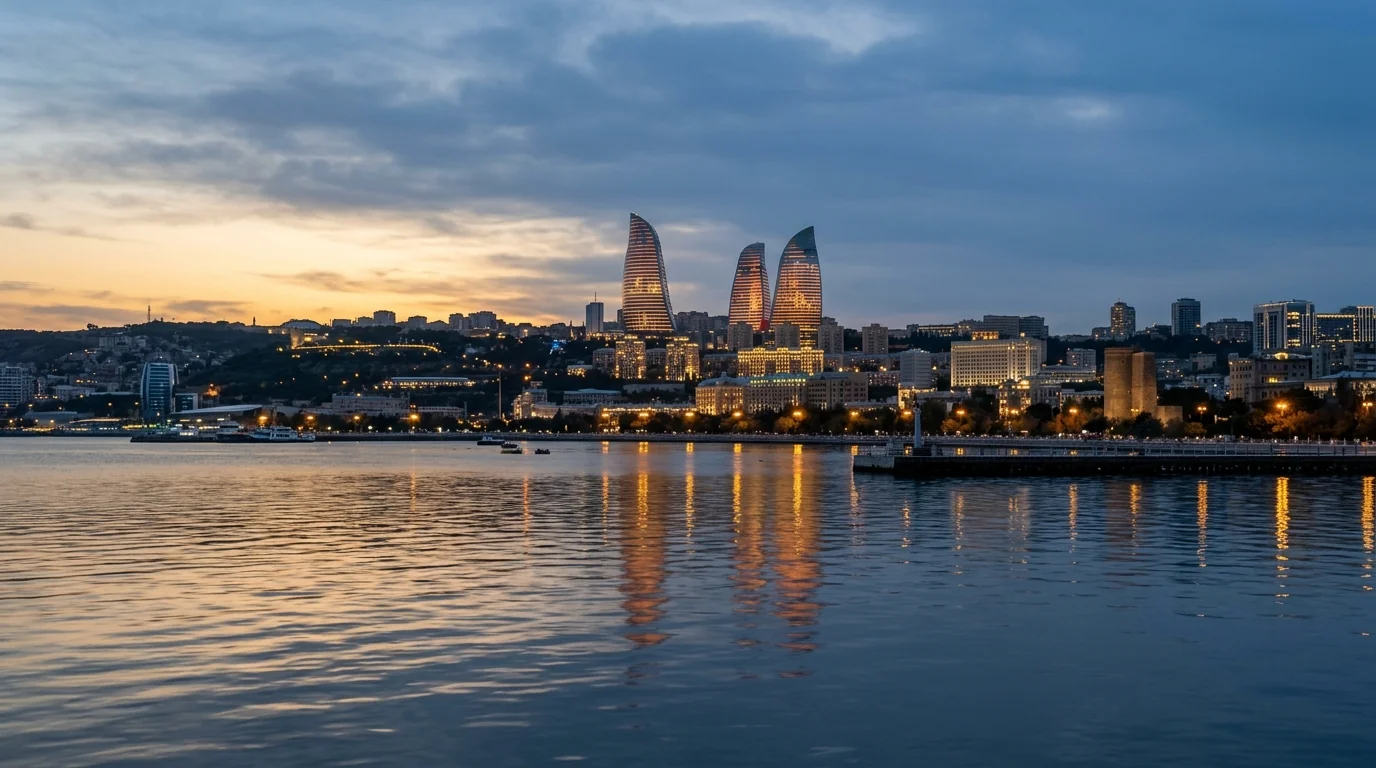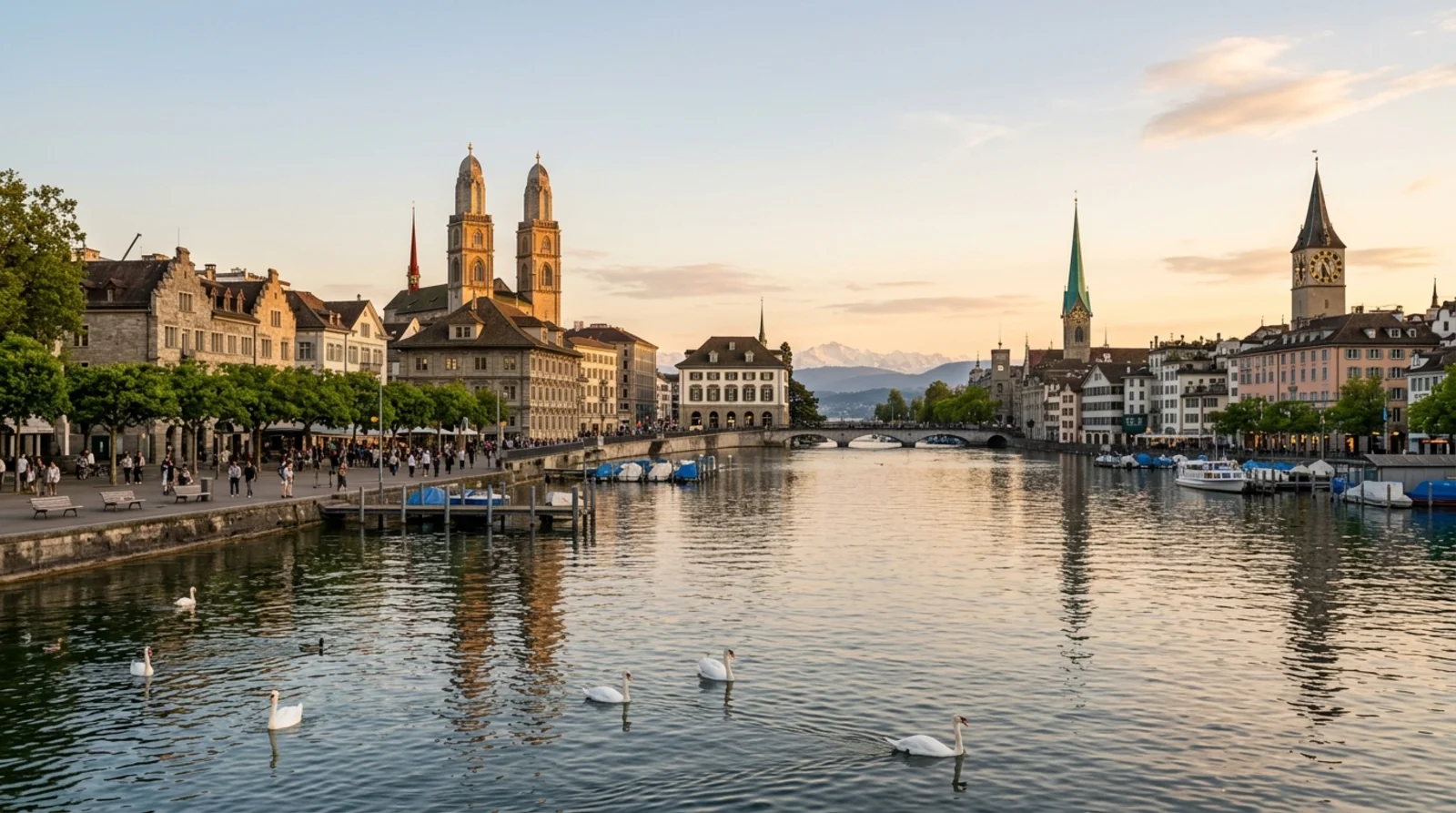


A city break to Bratislava has something for everyone: it can simply be a relaxing, stress-free few days of wandering the streets, stopping for coffee or beer, popping into the occasional interesting-looking store or art space. Alternatively, you can pack as much in as possible: history, music, sport, tours of various kinds and day trips outside the city. Here’s a little bit of everything to ensure you get the break you want in Bratislava.
The basics
So why Bratislava? Well…
- It’s just 90 minutes from Copenhagen. With our cheap flights it’s convenient and quick to get to.
- It’s walkable. Everything — the Old Town, the castle, the Danube embankment, cafes, galleries, viewpoints and other landmarks — is accessible on foot.
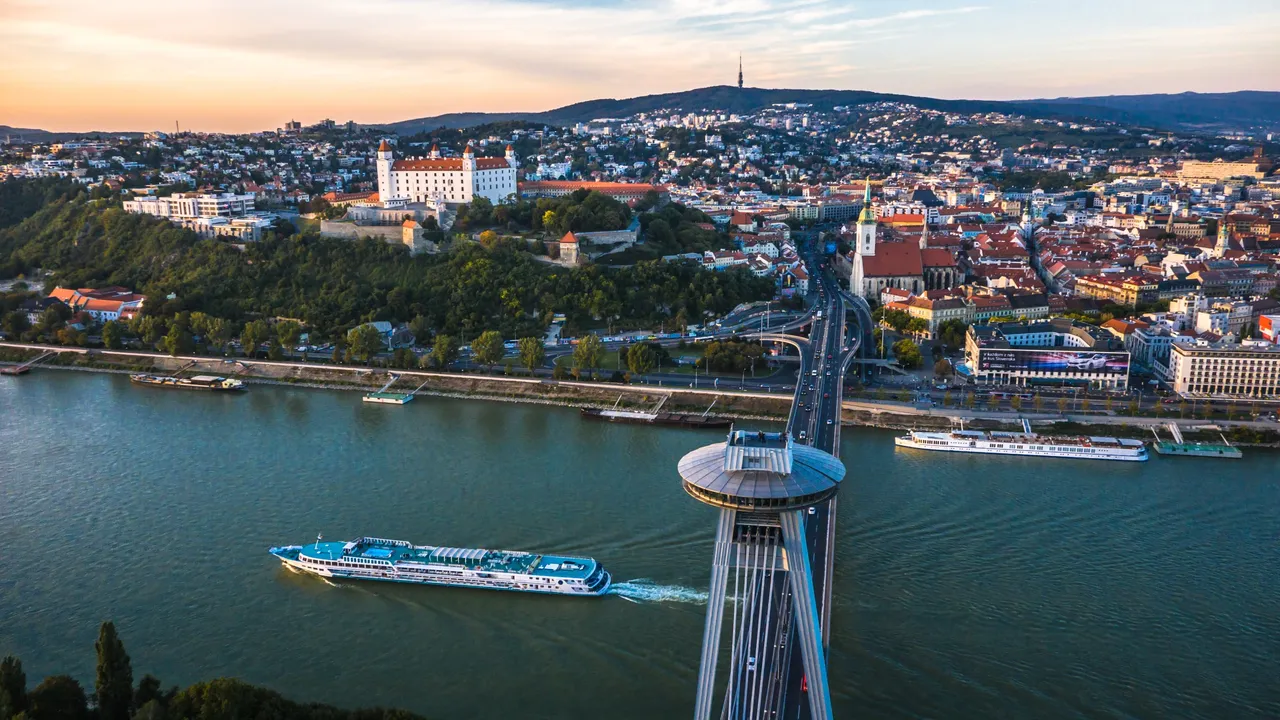
Bratislava is easy to explore on foot with landmarks, cafes and views all within walking distance ©MS Agency
- It’s a city of contrasts. The 12th century streets make for a fascinating counterpoint to the raft of socialist architecture that you’ll also see.
- It’s a place for outdoor types. Cycling, paddleboarding and boat trips are very popular, and the city is surrounded by vineyards, forests and countryside.
- It’s great value. Food, beer, accommodation, transport — everything, really! — is significantly cheaper than Denmark, and the gastro scene is as varied as the city itself.
- It’s unique. Where else can you have a drink in a UFO, descend into military bunkers, discover the history of winemaking, or ride in a Communist-era car through brutalist streets spotting 21st century art? Only in Bratislava.
Let’s explore, shall we?
The historic center
Bratislava is — literally — a city of two halves. The historic center of the city sits on the bank of the Danube, opposite the 20th century development of Petržalka (which we’ll come to in due course).
It’s easily navigable on foot, and you’ll stumble across the major landmarks easily. The small but perfectly-formed main square, Hlavné námestie, is pretty much in the center of the Old Town, and from here you can head west to St. Martin’s Church (Dóm sv. Martina), originally a Roman structure, converted into what you see today during the 12th century. Turning north through the narrow streets, you’ll come upon Michael’s Gate (Michalská brána), part of the city’s defenses in the Middle Ages and now a popular spot for tourists to climb for a view of the city. Circling east, there’s the grand Primate’s Palace (Primaciálny palác) which serves as the mayor’s office. It contains paintings, tapestries and furniture as well as a music hall, and you can get an audio guide if you fancy a more in-depth look around. Oh, and while you’re exploring the Old Town, keep an eye out for Čumil, a cheeky bronze statue of a sewer worker peeping out of his manhole taking a rest.
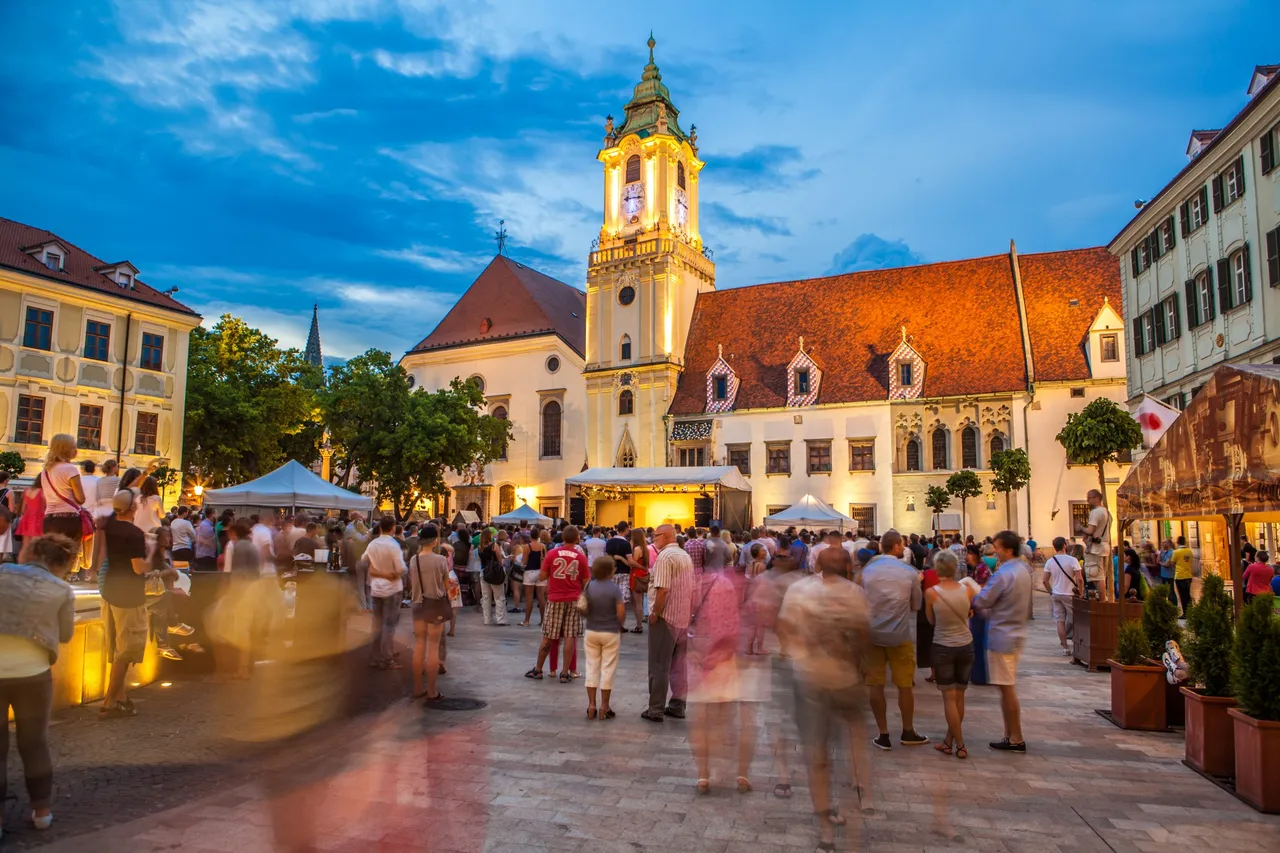
Bratislava’s Old Town packs centuries of history into a walkable maze of landmarks and cobbled streets ©MS Agency
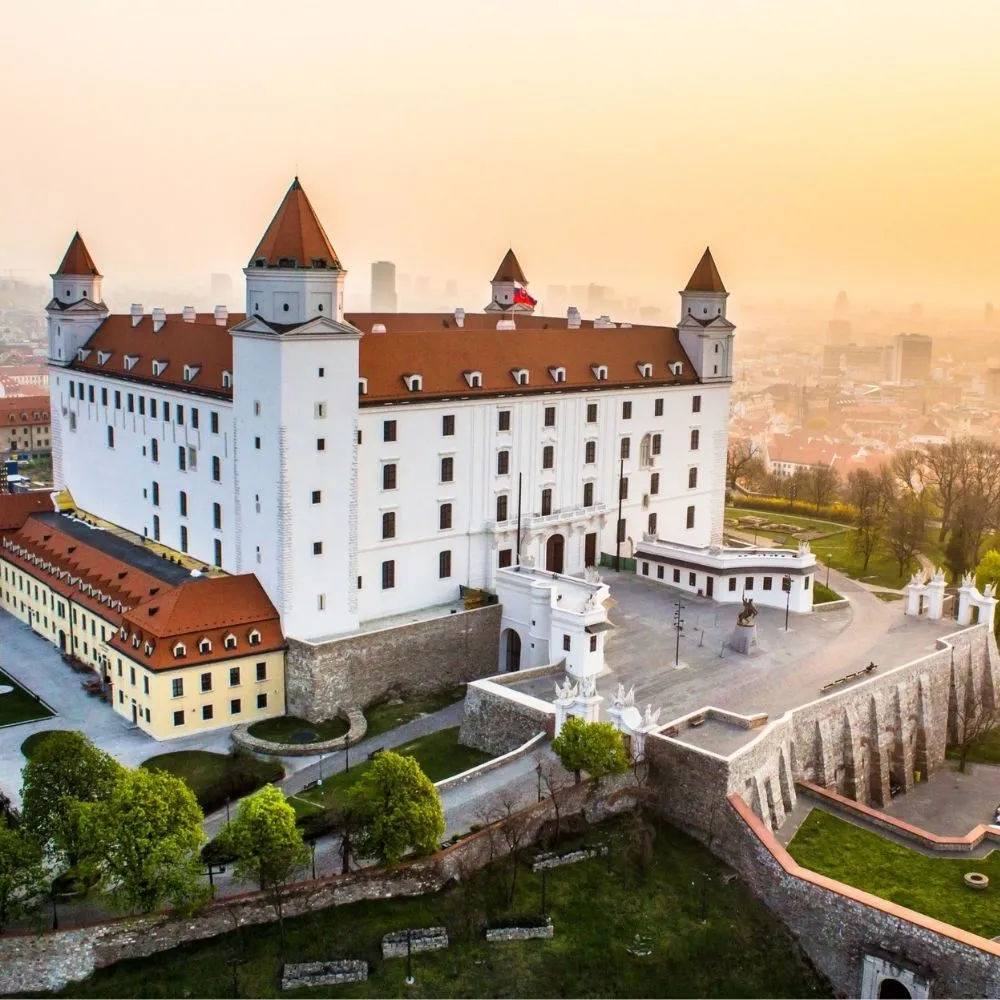
You’ll also, probably inevitably, explore Bratislava Castle (Bratislavský hrad). Originally dating from 907, now restored to its Baroque form, it stands proudly on a hilltop commanding a view of the river. Inside you’ll find the Slovak National Museum, Museum of History and the Treasury, while outside the sculpted gardens give visitors a break from the bustle below. For a touch more greenery, you’ll also enjoy Sad Janka Kráľa and Horský park , two local parks that bring a touch of the forest to the heart of the city.
The Danube
The bridges connecting Bratislava’s historic quarter on the north bank of the Danube to the more modern estates on the south are nothing if not distinctive. The oldest is the creatively-named Old Bridge (Starý most). It’s not even particularly old, dating from 1890 and originally called the Franz-Joseph Bridge after the then-Emperor of Austro-Hungary (of which Bratislava was a part). It’s a simple steel construction with a wooden pedestrian sidewalk and a railway line.
Contrast this to the iconic (a word much overused but appropriate here) New Bridge (Nový most). Originally called the Most SNP (the Slovak National Uprising Bridge), it’s instantly recognisable for its asymmetric structure and, atop its cantilevered column, the Cafe UFO. Almost 100 meters in the air, the cafe and viewing area are popular with tourists, affording views of up to 100 kilometers in every direction. In 2001 it was voted Slovakia’s Construction of the (20th) century and, cutely, is a part of the World Federation of Great Towers… as its smallest member.
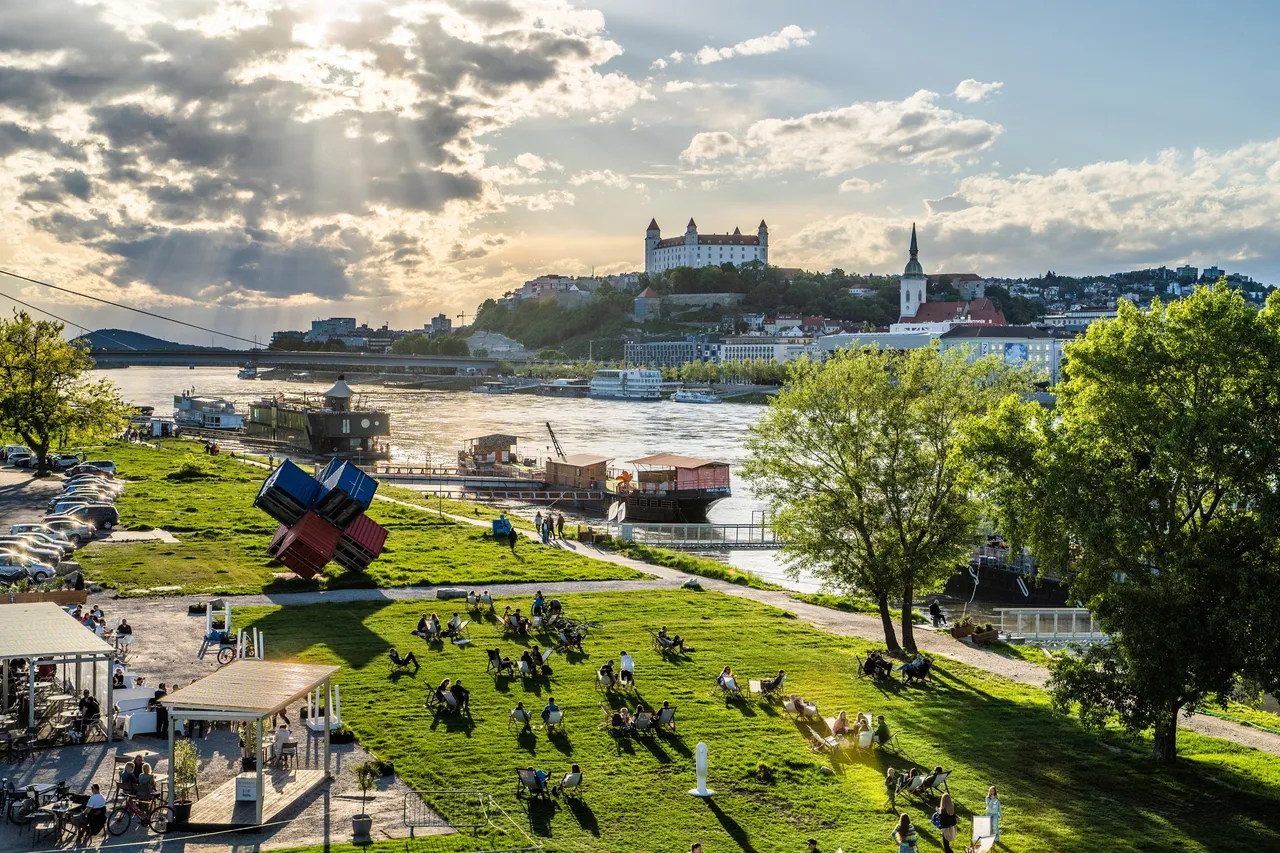
The Danube cuts through Bratislava, dividing old and new, with striking bridges connecting both sides in style ©Kováč
Downstream you’ll find the beautiful Danubiana Art Museum , a five-hour boat trip, including two hours in the museum/gallery and around. You could drive there in around 20 minutes, but where’s the fun in that? Other river cruises are available as well, ranging from a one-hour pootle up and down the river through the center, taking in the bridges, parks and landmarks from the water, to longer trips — around four hours — that include the city tour portion but also head further along the river to the ruins of Devín Castle, giving you time to explore the castle and architectural museum before arriving back in Bratislava in early afternoon.
Alternative Bratislava
The southern bank of the Danube, as mentioned, shows a very different side to the city, dominated by the vast concrete jungle of Petržalka, the largest Soviet-era housing estate in Slovakia. This symbol of socialist living is one of the reasons people come to Bratislava: to learn how life was under the regime.
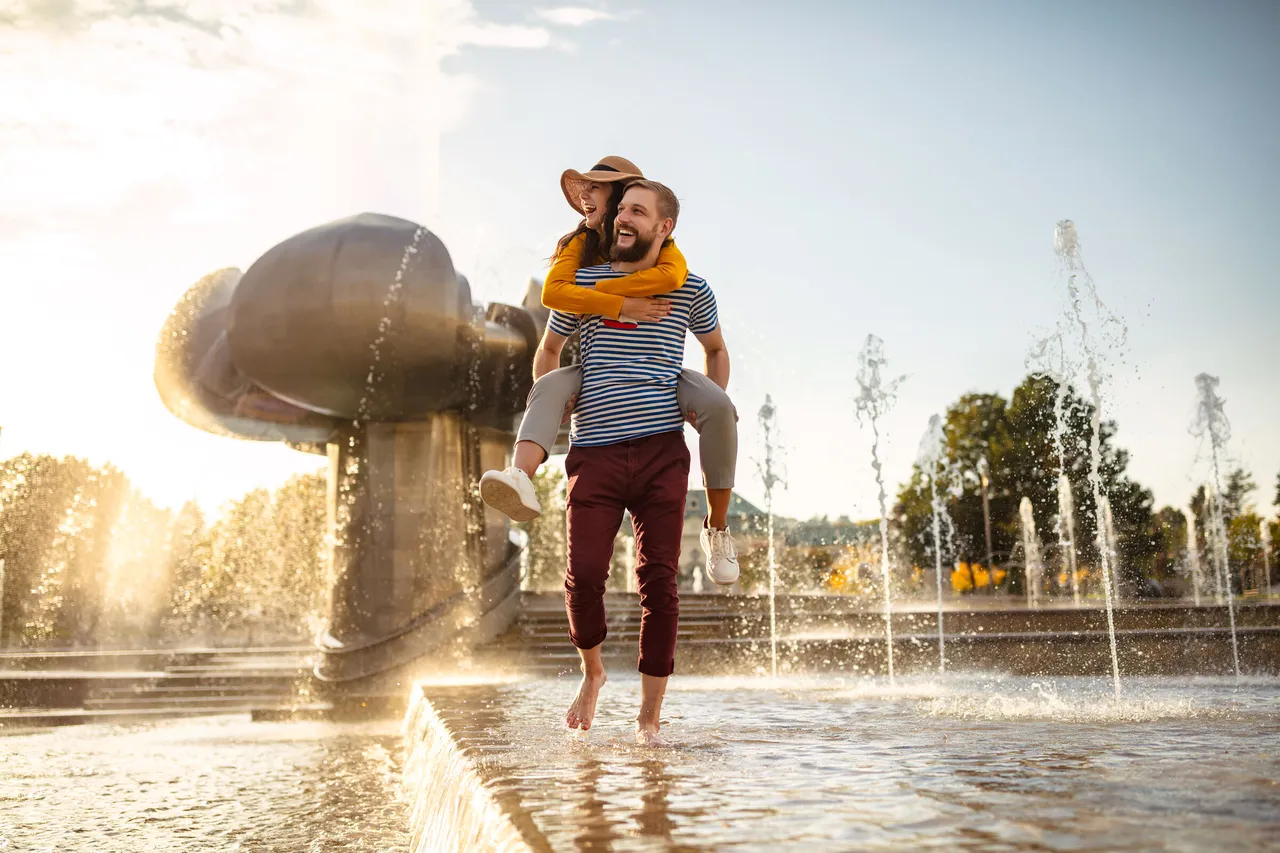
Hop on a train or bus from Bratislava and explore castles, vineyards, and charming towns — all within easy reach and budget-friendly ©Hitart
The best way to experience Bratislava’s more recent history is to book a tour in an old Communist-era Škoda . These simple, reliable cars were what got the country moving and, on the tour, one of the team of guides will drive you (around two to two-and-a-half hours) to locations steeped in socialist legacy: the huge Soviet cemetery and Slavín monument; the social-realist Freedom Square (Námestie Slobody), a bizarre satellite dish of marble and metal; abandoned factories now being repurposed, and 1981’s Nová tržnice, the market hall of the future (or so it was supposed). You’ll also head to the edge of the city to investigate 14 bunkers scattered across fields and woodland. These were supposed to protect Slovakia against the Nazi invasion threat, but the Munich Agreement ultimately rendered them useless. The best-preserved, BS-8, is now a museum.
You can also explore the city on foot — but in a more playful way — with one of Bratislava’s City Games . Code-breaking, trivia quizzes, city escape games, plus an adventure for teenagers (or playful adults!) mean you’ll get to see things regular tourists almost certainly miss, while getting to know the city inside-out. Give your brain a workout as well as your legs!
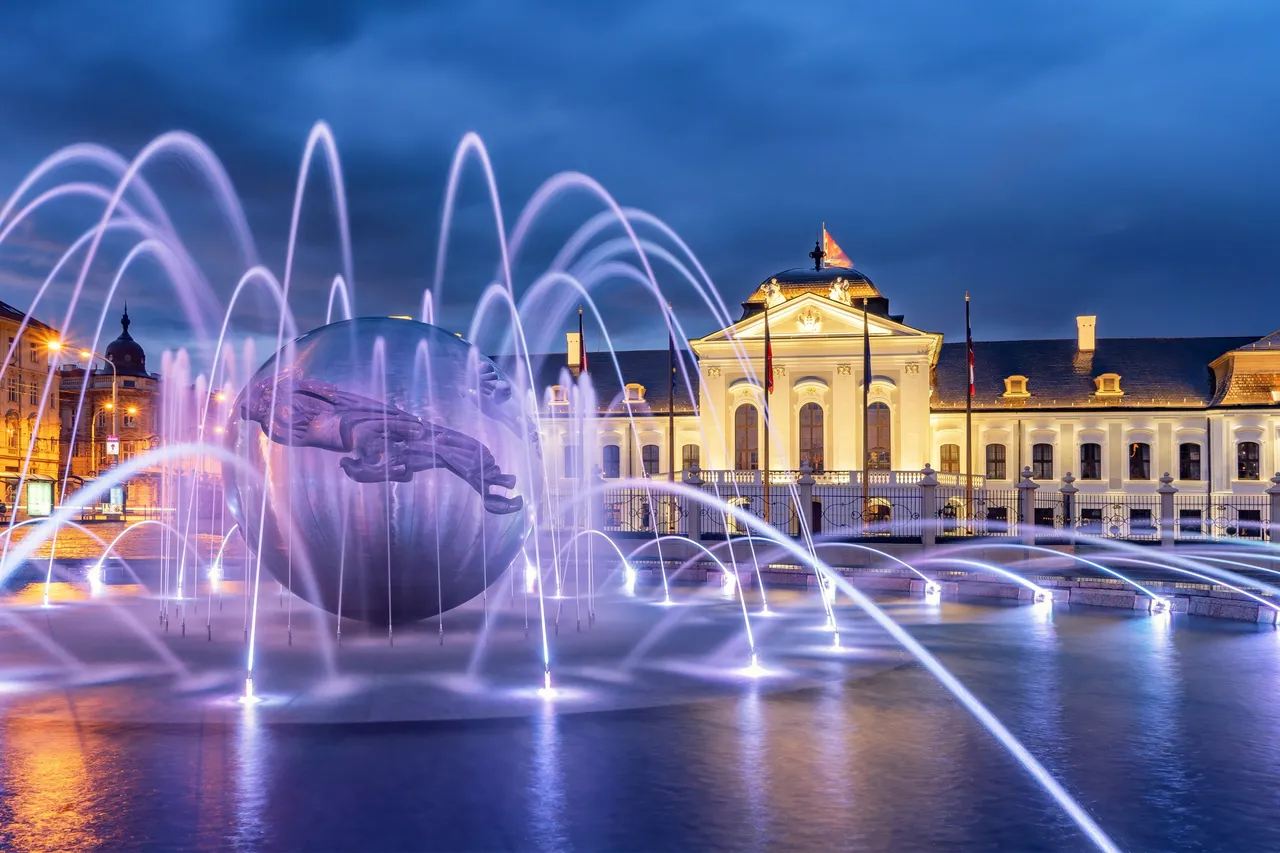
A magical evening at the Presidential Palace, where lights and fountains create a captivating scene in the heart of Bratislava ©Kováč
Bratislava day trips
There are a bunch of lovely day trips you can do easily and cheaply from Bratislava, almost always using public transport. Here’s a quick selection.
Wine tasting in Svätý Jur
Just to the north of the city is the small town of Svätý Jur, just 15 minutes by train or 35 minutes by bus. The region known as the Little Carpathians is famous locally for its wine, and this town has a number of vintners and cellars, many open daily. Sample a few and pick your favorites, giving you something to be enjoyed as you remember your trip.
Cycling the Morava River
Spend a day on two wheels as you rent a bike and head north along the banks of the Morava that separates Slovakia and Austria. A flat, easy path once used by border guards is now part of the Eurovelo 13 Iron Curtain Trail, and winds its way through the trees along the banks of the river and up to Veľké Leváre, from where you can catch a train back to Bratislava (approx. 50 minutes; check which services have space for bicycles).
Bratislava airport to the city center
Getting from Bratislava’s M. R. Štefánik Airport to the city center is easy. The airport itself is only 10 kilometers or so from the city, and bus 61 (N61 at night) will take you to the main railway station in 20 — 25 minutes; from there you can walk to the historic center in around 10 minutes. Taxis are also available — simply book one using the Uber or Bolt apps and you’ll be in the city cheaply in around 10 to 15 minutes.
Book your Copenhagen — Bratislava flight today on Kiwi.com
If you’re now looking forward to a trip to Slovakia, why wait? Kiwi.com constantly checks millions of prices so you can fly for less. Book your trip on Kiwi.com or download our app to lock in low prices, keep your travel documents with you, get automatic check-in and live updates, and add the Kiwi.com Guarantee to get you there whatever happens.