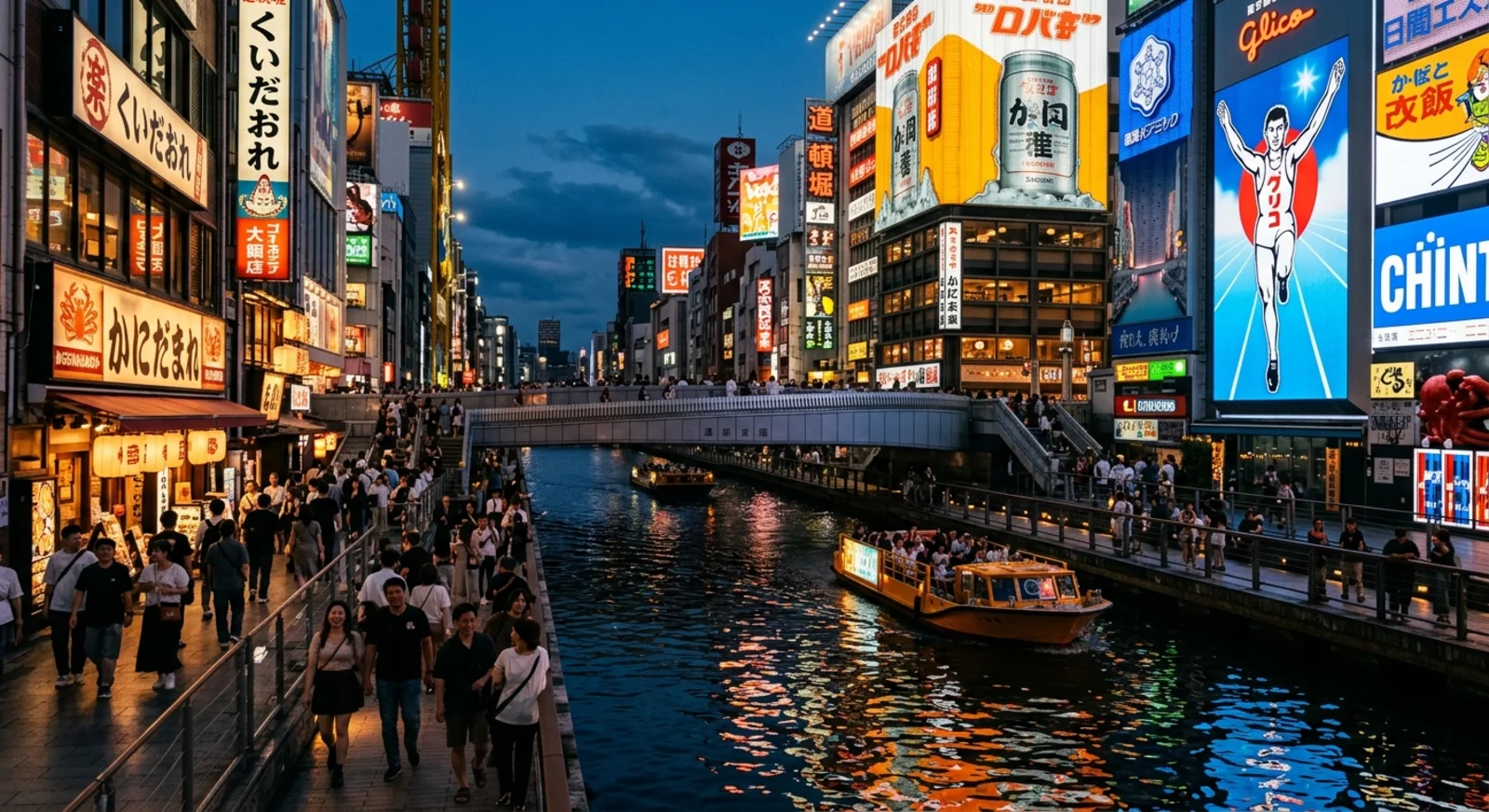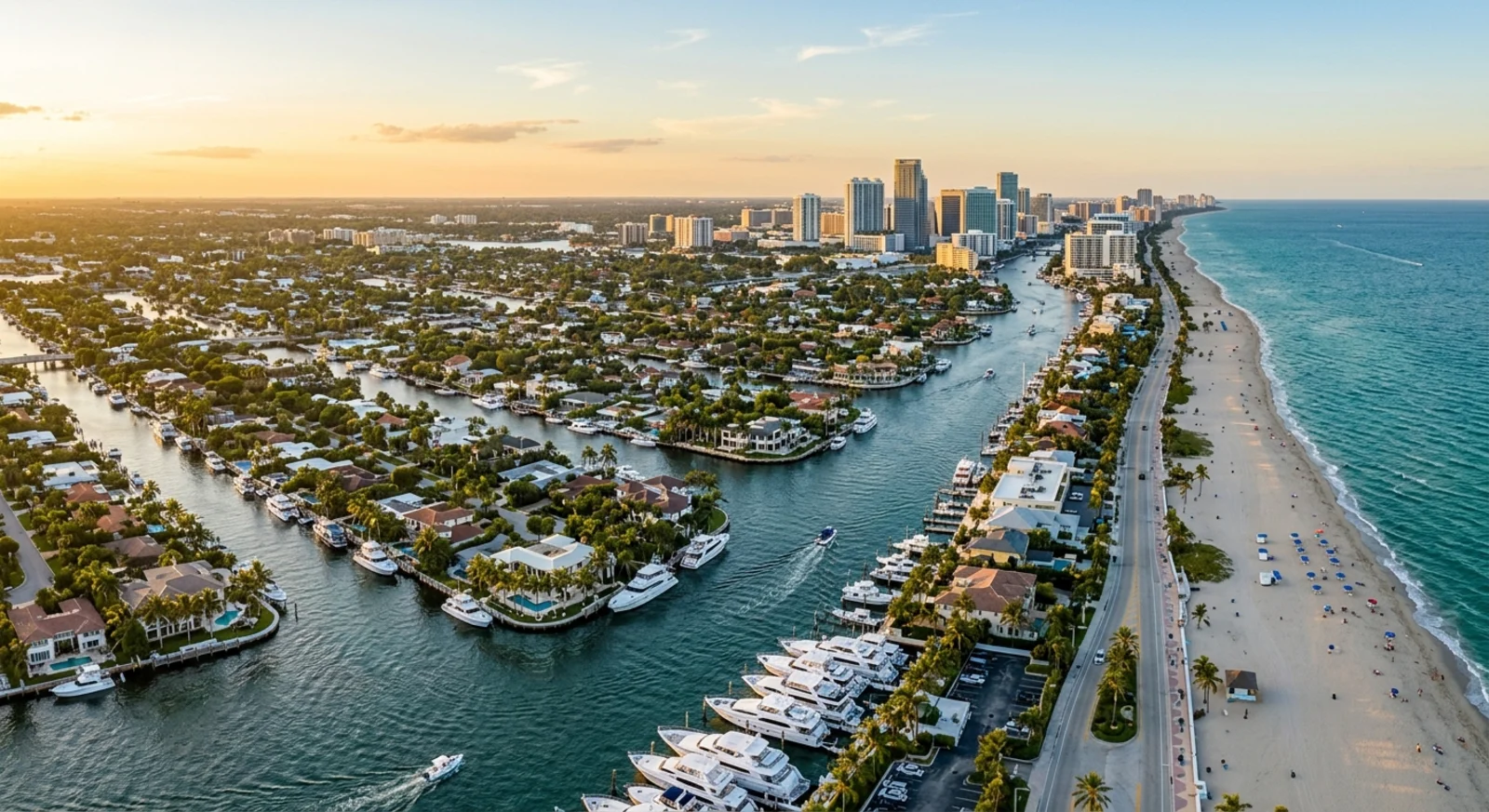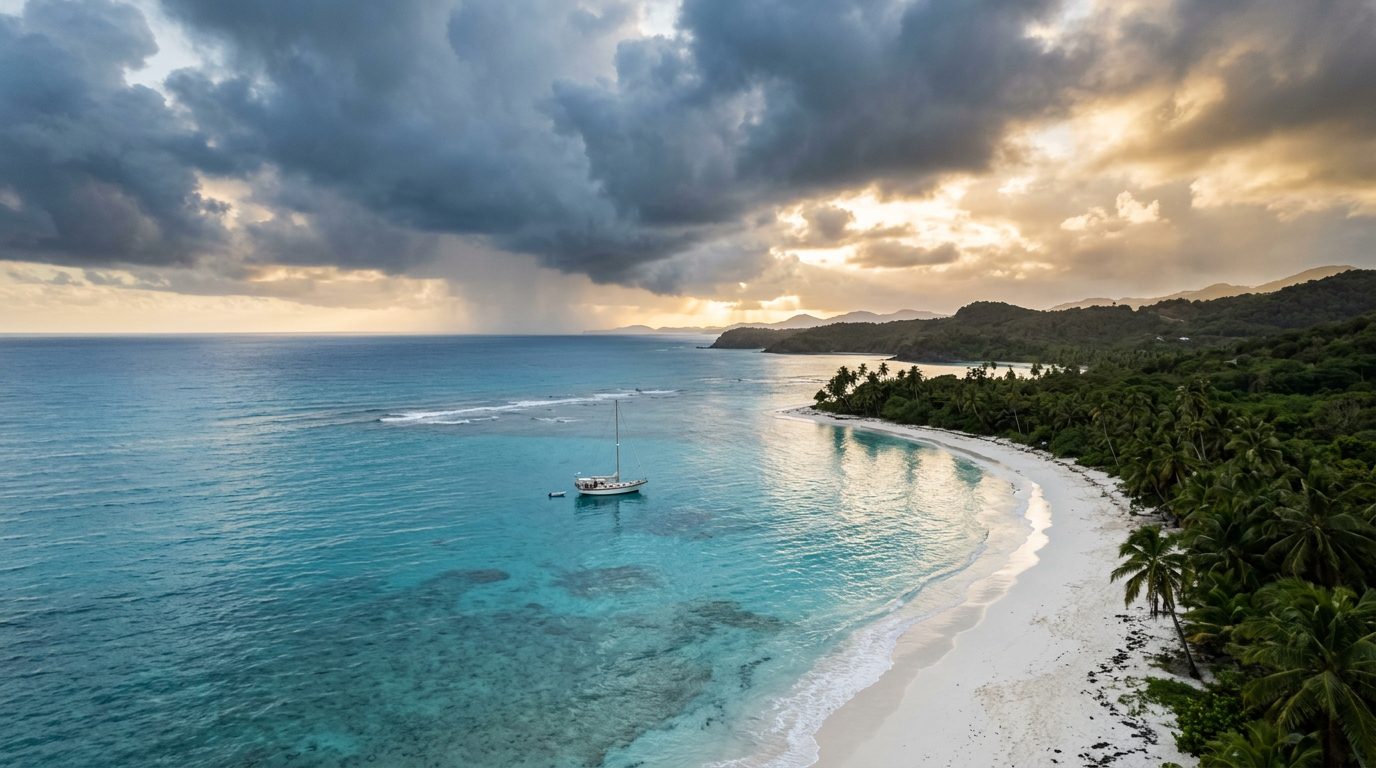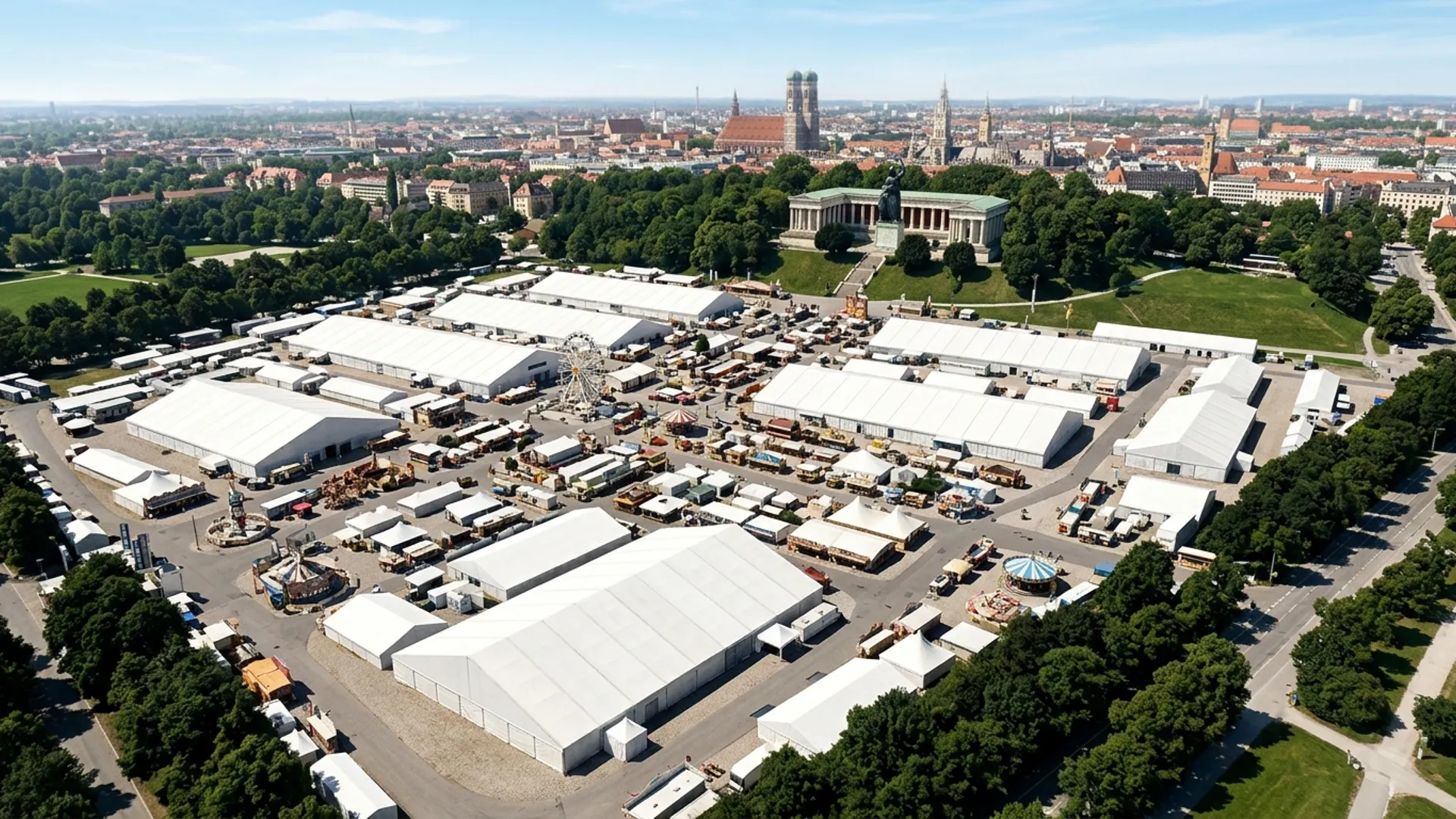







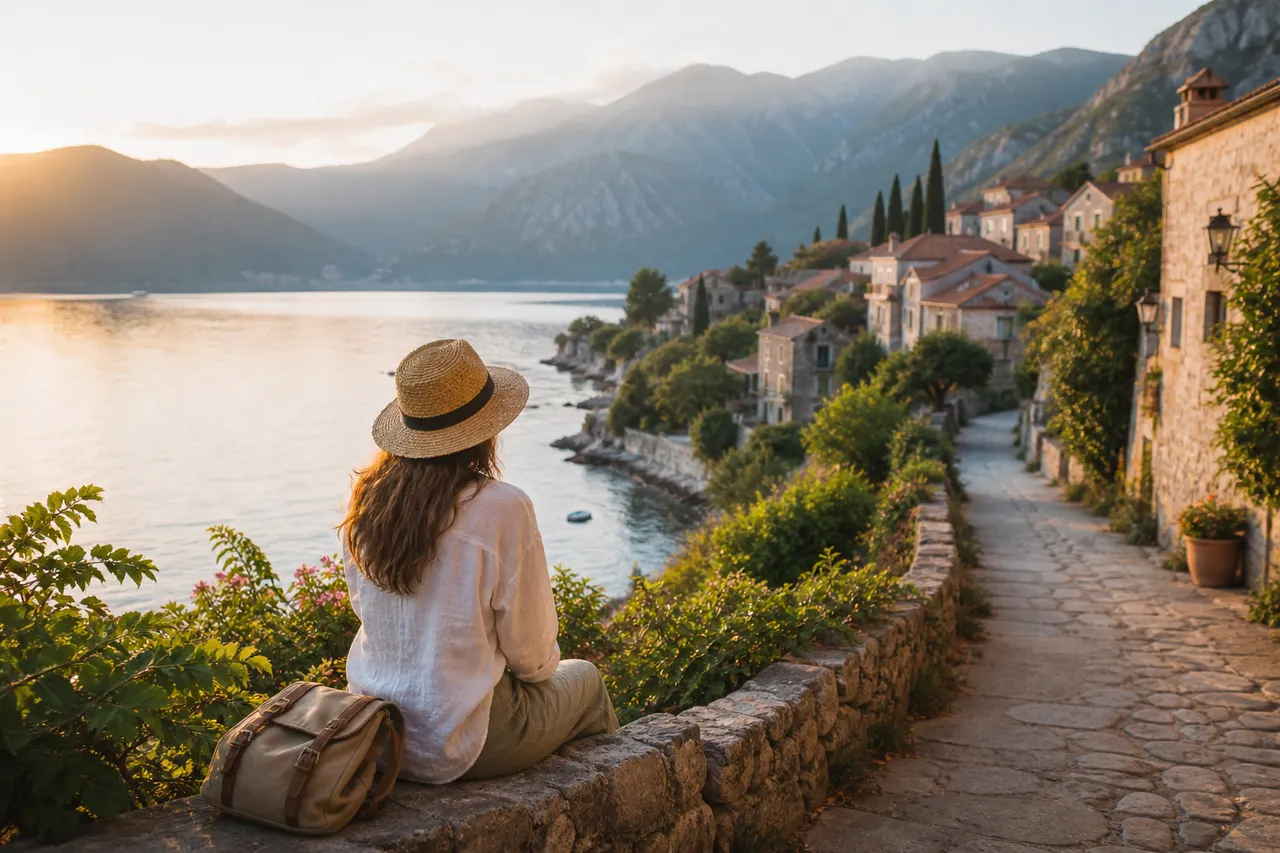
In 2026, typical slow travelers often prioritize lower-carbon transport like trains or walking. Their goal has shifted from “seeing” a landmark to “feeling” a place: learning a local craft, lingering at a neighborhood café, or understanding the daily rhythms of a community. Instead of spending a day or two in a popular tourist destination and then moving to another one, slow travelers spend a week more living like a local in a place ignored by mass tourism. To travel slowly, try to book accommodation for 5-7 days.
Why Slow Travel Has Become the Defining Trend
The “Burnout” Backlash
After years of hyper-productivity and digital saturation, the 2026 traveler is seeking a mental reset.
Quality over Quantity
Instead of visiting five cities in seven days, people are spending the entire week in one village or neighborhood to live like a local or learn a local craft.
The Rail Renaissance
Overland travel by train has become the first choice for many, rather than a backup. Europe has seen a massive expansion of luxury and budget sleeper trains, making the journey part of the vacation.
Low-Adrenaline Travel
Travelers are trading the stress of airport security and “flight shame” (climate anxiety) for the steady, unhurried pace of the tracks.
Climate-Driven “Cool-Cationing”
Climate change is physically slowing us down. As traditional summer hotspots become uncomfortably hot, travelers are moving toward “cool-climate” destinations like Scandinavia, the Alps, or the Scottish Highlands. These regions naturally lend themselves to slower, nature-based activities like hiking, wild swimming, and “stargazing tourism.”
Sustainability as a Default
In 2026, sustainability is no longer a “bonus feature”; it is expected. By staying longer in one place and using ground transport, the carbon footprint per trip is significantly reduced.
Local Impact
Slow travelers stay in locally owned accommodations and eat regional produce, ensuring their money supports the local economy rather than global chains.
The Rise of “No-Think” & Farm Stays
Two interesting sub-trends have emerged within the slow travel movement.
Agritourism
Farm stays are booming as travelers look to “touch grass” (literally). Helping with a harvest or staying on an organic vineyard provides the ultimate digital detox.
Curated Simplicity
Many are opting for “no-think” holidays where a trusted local host manages the flow, allowing the traveler to simply exist in the space without the stress of constant planning.
The Benefits of Slow Travel
Instead of treating a vacation like a high-speed scavenger hunt for Instagram photos, slow travelers focus on the “rhythm” of a place. For the traveler, the benefits are both practical and deeply personal.
You Actually Come Home Rested
Slow travel eliminates the “checklist anxiety” and the stress of constant packing, airport security, and tight transit windows. Your nervous system has time to settle. By staying in one home base, you experience a “mental reset” that reduces cortisol and promotes genuine recovery.
Deeper Cultural Connection
When you spend a week in one neighborhood rather than three days in three cities, you stop being a “tourist” and start being a “temporary neighbor.”
The “Local” Effect
You start recognizing the person at the bakery, you find the coffee shop that doesn’t have a tourist menu, and you have time for spontaneous conversations that go beyond “Where is the museum?”
Authenticity
You see a destination’s daily life—the laundry hanging on balconies, the school runs, the evening strolls—rather than just the curated, “Disney-fied” version of a city center.
Significant Cost Savings
Many rentals (like Airbnbs or local guesthouses) offer significant discounts for stays of a week or a month. And because you aren’t in a rush, you have time to find the grocery stores and small bistros where locals eat, which are almost always cheaper than the “fast-food” or high-turnover tourist traps near major landmarks.
More “Magic” Moments
Rigid schedules are the enemy of serendipity. If your day is planned down to the 15-minute mark, you can’t say “yes” when a local invites you to a neighborhood festival or when you discover a hidden trail that wasn’t on the map.
Environmental & Ethical Peace of Mind
Traveling slowly is inherently more sustainable. By choosing trains over short-haul flights and walking over taxis, you drastically reduce your carbon emissions. Your money stays in the local economy. Instead of paying international hotel chains or global tour corporations, you’re more likely to spend at family-run shops and independent cafes.
Summary: Fast Travel vs. Slow Travel
| Feature | Fast Travel | Slow Travel |
|---|---|---|
| Goal | See as much as possible | Experience a place deeply |
| Transport | Planes, Taxis, Express Trains | Walking, Biking, Local Buses |
| Budget | High (frequent transit/hotels) | Lower (weekly rates/local food) |
| Feeling | Exhilarating but Exhausting | Restorative and Grounding |
| Memory | A blur of landmarks | Specific faces and flavors |
Top Destinations for Slow Travel
Italy
Italy is widely considered the birthplace and spiritual home of the slow travel movement. This is largely thanks to the Slow Food movement, which began in Rome in the 1980s to preserve regional culinary traditions and local economies against the rise of fast food. This philosophy has since expanded into every facet of Italian tourism, supported by a culture that prioritizes la dolce vita (the sweet life)—the art of savoring small moments, lingering over long meals, and embracing the daily rhythm of the passeggiata (evening stroll).
Furthermore, Italy’s infrastructure is uniquely suited for unhurried exploration. An extensive rail network allows travelers to traverse scenic landscapes like the Dolomites or coastal regions without the stress of driving. The country is also dotted with agriturismi (farm stays), which offer a deep connection to rural life, traditional agriculture, and “zero-kilometer” dining.
Laos
Laos is about natural, unhurried flow. It is often called the most relaxed country in Southeast Asia.
The Mekong Rhythm
Life in Laos literally follows the speed of the Mekong River. Taking a two-day slow boat from the Thai border to Luang Prabang is the quintessential slow travel initiation—no Wi-Fi, just shifting landscapes.
“Baw Pen Nyang”
This common Lao phrase means “no worries” or “it’s fine.” It reflects a national mindset that rejects rushing. In places like Si Phan Don (4,000 Islands), there are no cars—just bicycles, hammocks, and sunsets.
Simplicity
Laos hasn’t been over-commercialized in the same way as its neighbors. Slow travel here means joining communal meals of sticky rice and watching monks collect alms at dawn—rituals that haven’t changed in centuries.
Thailand
Thailand is often seen as high-energy, but it is a slow traveler’s paradise because of its “Value Over Volume” philosophy and deep-rooted hospitality.
Hyper-Local Connection
Beyond the neon lights of Bangkok , Thailand offers “riverside time capsules” and hill-tribe homestays. Slow travel here allows you to move past the “transactional” tourist interaction to a “relational” one with local artisans and farmers.
Mai Pen Rai Culture
Similar to Laos, the Thai spirit of Mai Pen Rai encourages travelers to let go of rigid itineraries. An unplanned afternoon at a roadside stall or a forest temple is often where the best memories are made.
Regional Diversity
You can spend a month in the North (Chiang Mai/Pai) focusing on wellness and mountains, or a month in the South (Koh Yao Noi) focusing on eco-living and “Nature Care” routes, without ever feeling like you’ve “seen it all.”
Portugal
Portugal is often cited as the “West Coast” of the slow travel movement in Europe. While its neighbors might focus on grand monuments or high-fashion hustle, Portugal excels at the “interstitial moments”: the long lunch, the coastal walk, and the fading light on a tiled wall.
Portugal’s culture is defined by two untranslatable words that perfectly suit slow travel: _saudad_e, a deep, nostalgic longing that encourages reflection rather than action, and sossego, which translates to “quiet” or “tranquility.” In the Portuguese countryside, particularly the Alentejo region, sossego is a way of life—a refusal to let the modern world dictate the tempo of the day.
In smaller towns, shops close, and everything stops for a multi-course meal. Slow travelers can lean into this rhythm, enjoying petiscos (Portuguese tapas) and local wines without being rushed by servers. Staying at a Quinta (wine estate) in the Douro Valley allows you to see the labor-intensive, slow process of port wine production firsthand, far away from the city crowds.
Japan
Japan is ideal for slow travel because its culture is fundamentally built on concepts like Ma (the beauty of empty space) and Ichigo Ichie (the uniqueness of a single moment).
Infrastructure for Wandering
While the Shinkansen railway is fast, Japan’s rural rail and walking trails (like the Kumano Kodo or Nakasendo) are designed for a human pace.
Depth in Detail
Japan rewards the “micro-traveler.” You could spend three days in a single Kyoto neighborhood just watching the light change in temple gardens or learning the specific history of a local craft shop.
Ritualized Relaxation
The onsen (hot spring) culture and tea ceremonies are literal invitations to do nothing but exist in the moment.
Tip: Temple Stays
Many temples offer stays to travelers. You live alongside monks, eat shojin ryori (traditional Buddhist vegetarian cuisine), and participate in morning meditation.
Nicaragua
Nicaragua is often called the “land of volcanoes and lakes,” but for slow travelers, it is the land of unhurried authenticity. While its neighbors have seen a surge in mass tourism, Nicaragua has maintained a raw, rustic charm where the pace is dictated by the sun and the seasons.
It is a premier destination for slow travel because it rewards the “stay a while” mindset—whether that means volunteering on a coffee farm in the highlands or spending a month learning to surf on the Pacific coast. In addition, the lower cost of living compared to North America or Europe allows travelers to extend their stays significantly, turning a one-week vacation into a month-long immersion.
Slow Travel: A Comparison Example
Comparing a journey between Tokyo and Kyoto (the most popular route in Japan) highlights the massive difference between the “normal” (efficiency-focused) and “slow” (experience-focused) travel styles.
The Normal Journey: Efficiency First
- Mode: Shinkansen (Nozomi Bullet Train).
- Time: 2 hours 15 minutes.
- Cost: Approx. 14,000 yen ($95).
- The Experience: You depart from the hyper-modern Tokyo Station, buy a high-quality ekiben (lunch box), and are whisked across 500km at 300 km/h. You might catch a 5-second glimpse of Mount Fuji if the weather is clear.
- The Focus is the Destination: You arrive in Kyoto ready to hit the major temples (Kinkaku-ji, Fushimi Inari) immediately. It is predictable, comfortable, and clinically efficient.
The Slow Journey: The Historic Path
- Mode: Local trains & walking (the Nakasendo Way).
- Time: 4 to 7 days.
- Cost: Variable (local train fares are cheap, but overnight stays in Ryokans add up).
- The Experience: Instead of flying past the landscape, you engage with it.
- You take a local train to the Kiso Valley.
- You spend 2–3 days walking the Nakasendo Trail, an ancient postal route connecting Tokyo and Kyoto.
- You stay in “Post Towns” like Magome or Tsumago, where cars are banned and power lines are hidden to preserve the 17th-century atmosphere.
- The Focus is the Interstitial Space: You see the Japan that exists between the headlines. You meet local innkeepers, hear the sound of mountain streams, and experience the physical transition from the Kanto plain into the Japanese Alps.
Tips on How to Embrace Slow Travel
Here are some practical tips for planning a slow travel vacation, based on the current trends of the “Rail Renaissance” and “Quality over Quantity” mindset.
The “Single Hub” Strategy
Instead of a multi-city tour, choose one “hub” and commit to staying there for at least 7 to 10 days.
Live like a local
Rent an apartment in a residential neighborhood rather than a hotel in a tourist district. This allows you to frequent the same bakery, learn the names of the local shopkeepers, and understand the neighborhood’s rhythm.
Radical Spontaneity
Leave at least 50% of your days completely unplanned. Slow travel is about having the time to say “yes” to a local recommendation or spending three hours over a long lunch without checking your watch.
“The Last Mile” on Foot
Once you reach your destination, commit to walking or cycling. You notice architecture, street art, and small details that are invisible from the window of an Uber or a tour bus.
Digital Detox Prep
Download offline maps (like Maps.me or Google Offline) and language packs. The goal is to spend less time looking at your phone and more time looking at your surroundings.
Dine “Off-Strip”
Avoid restaurants with menus in five different languages. Look for places where the menu is small, seasonal, and written in the local language.
Pro Tip
If you’re feeling “checklist anxiety” (the fear that you’re missing out on the big sights), remind yourself: You are not visiting a destination; you are experiencing a place. You can always come back, but you can never get back the peace of a morning spent doing absolutely nothing in a beautiful, foreign square.
Planning a Slow Travel Trip? Read This Before You Book
What exactly is “slow travel”?
Slow travel is a mindset that prioritizes quality over quantity. It focuses on connecting with local culture, people, and food through extended stays and unhurried exploration. It respects destinations and the environment by prioritizing sustainable tourism. For many travelers, it’s a deliberate shift away from checklist-style trips that often leave them more exhausted than refreshed.
What is the preferred mode of slow travel?
The preferred approach emphasizes low-carbon, immersive transportation where the journey matters as much as the destination. Trains, walking, and cycling are top choices, along with local buses and ferries. For longer distances, boat travel is also popular. These options help travelers connect more deeply with places while reducing environmental impact.
How can I prepare for a slow travel holiday?
Prepare by downloading offline maps and language packs, and book accommodations for at least 5–7 days to fully settle in. Learning basic local phrases can significantly enhance your experience. Pack light—enough for about five days—and plan to do laundry locally. Bring items that help you feel at home, like a journal, e-reader, or tote bag for local markets.
Are there any risks in slow traveling?
Slow travel has its challenges. Staying longer in one place means you’re more committed, even if the location isn’t ideal. It can sometimes feel isolating, especially outside major cities, and a lack of structure may lead to low motivation. To counter this, consider having a purpose—like learning a skill—connecting with locals, and finding a regular spot like a café to create routine.
Popular routes on Kiwi.com
- Cheap flights from London to Barcelona
- Cheap flights from London to New York
- Cheap flights from London to Asturias
- Cheap flights from London to Pattaya
- Cheap flights from London
- Cheap flights to Spain
- Cheap flights to Italy
- Cheap flights to Thailand
- Cheap flights to the United States
- Cheap flights to the United Kingdom
- Cheap flights from London Luton Airport
- Last minute flights
People Also Read