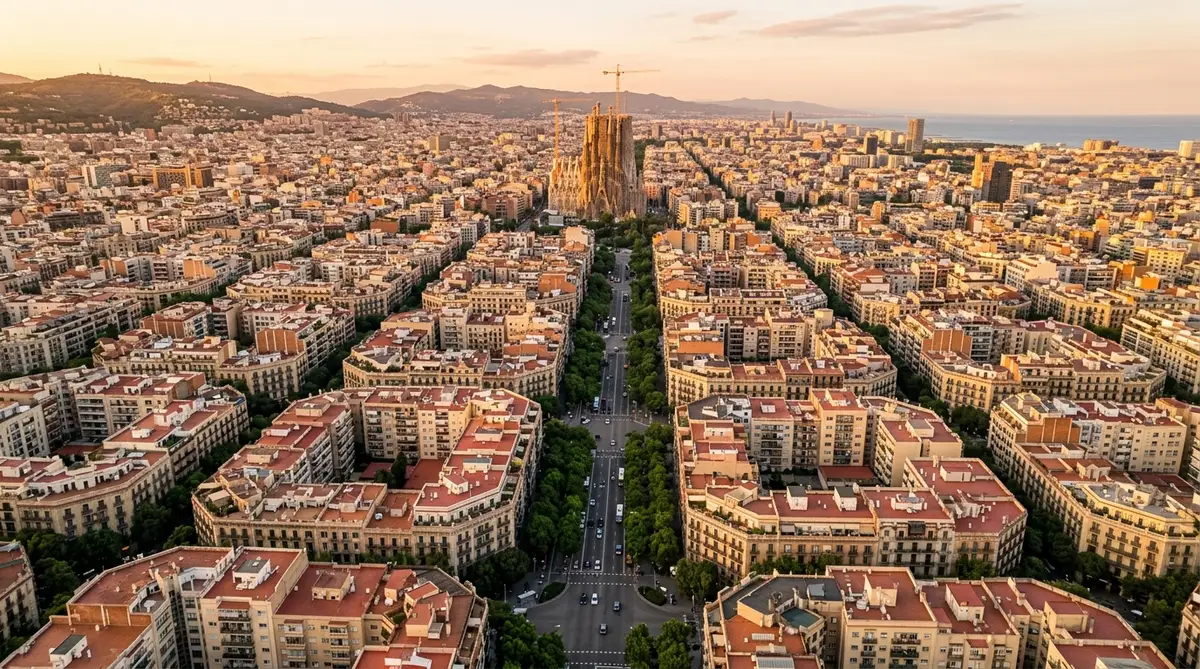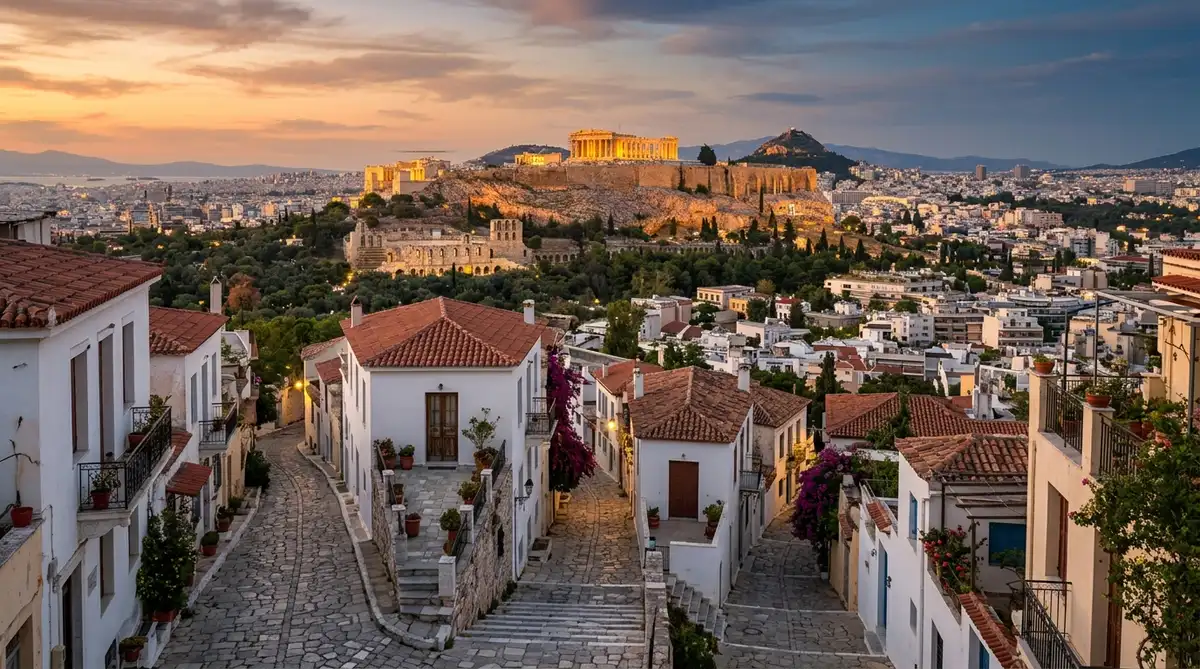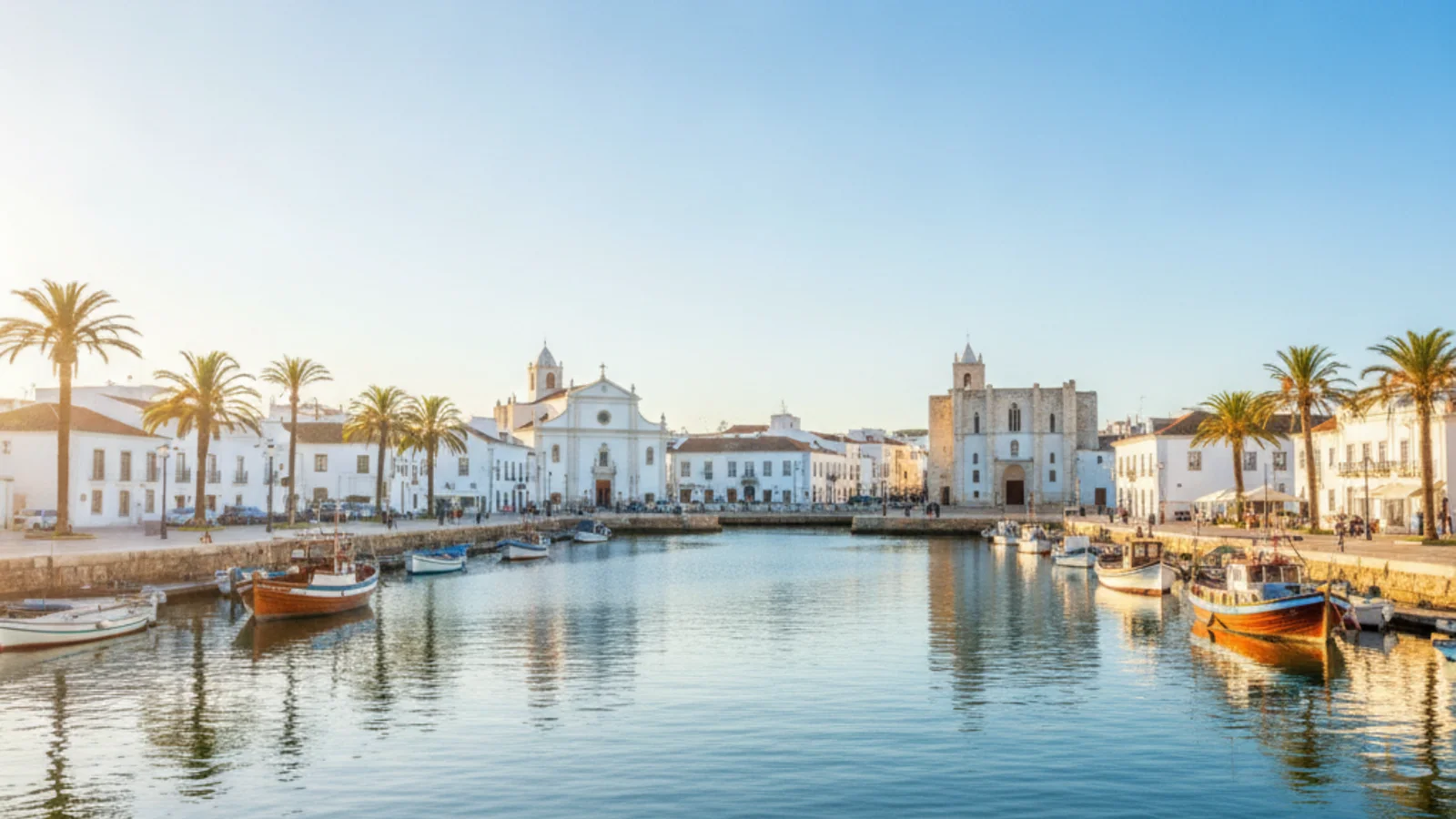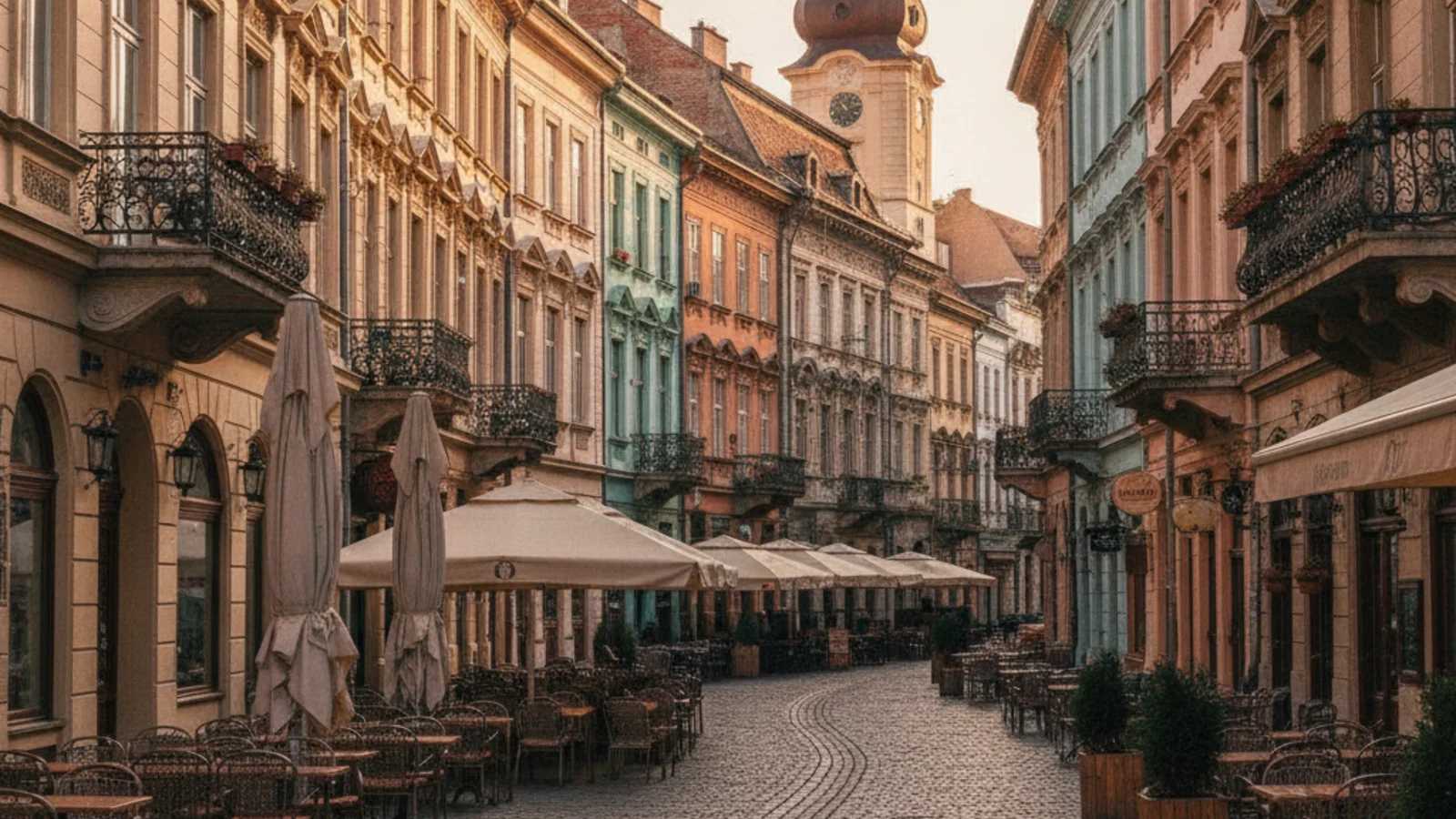






Among the many reasons travelers are increasingly choosing to visit “second cities” instead of traditionally popular capital cities such as Paris are their more authentic neighborhoods, lower costs—second cities often cost 30–50% less for hotels and dining—a compact itinerary, fewer lines at museums and other attractions, greater “walkability,” less time spent getting around, and niche specialties, such as food, design or wine. Stay in a central neighborhood to maximize walkability.
Why Travelers Swap First Cities for Second Cities
Many countries show a “first-city / second-city” pattern where travelers increasingly prefer the smaller, cheaper, more authentic second city over the capital; this is now a global trend driven by cost, overcrowding, and a curiosity about a country’s local life.
Key Considerations and Decision Points
Trip Length
Short breaks favor compact second cities; longer stays favor capitals.
Priorities
People who prefer museums and iconic sights choose first cities; those who prefer food, local neighborhoods and more bang for their buck opt for the second city.
Logistics
Rail/flight links and day-trip options determine whether you can combine both.
Sustainability
Second-city travel can reduce overtourism pressure on capitals, but it may shift impacts to these smaller places.
Why this Pattern is Spreading
Overtourism in Capitals
This increasingly common phenomenon pushes visitors to alternatives that offer similar cultural depth without long lines and inflated prices.
Value and Affordability
Second cities often cost 30–50% less for hotels and dining, improving travel value.
Niche Strengths
Many second cities have concentrated specialties (food, design, wine) that match modern traveler interests.
The Shift from Lisbon to Porto
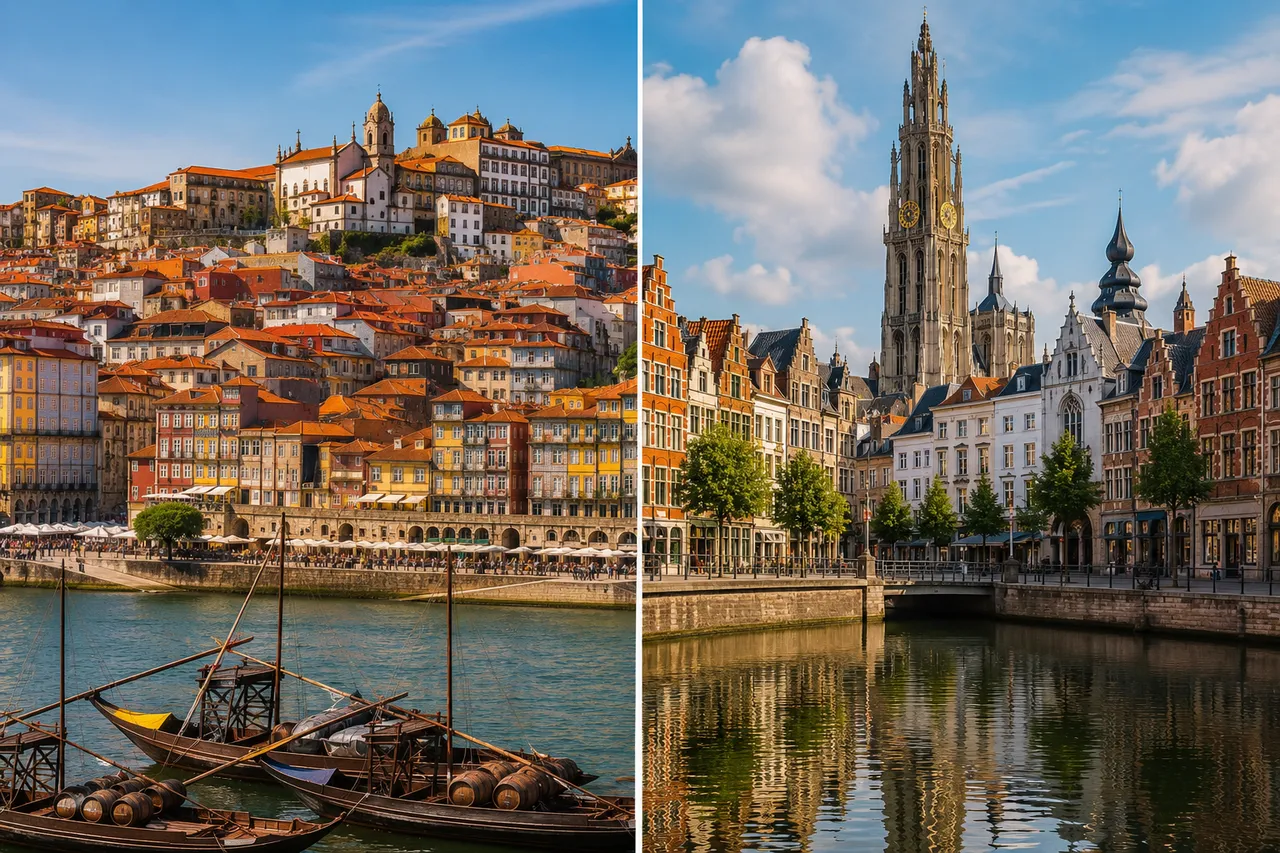
Travelers choose Porto over Lisbon to escape intense capital-city crowds, enjoy a more walkable and intimate layout, and experience authentic Portuguese culture at a lower price point. While Lisbon remains a spectacular global powerhouse, Porto thrives as the ultimate “second city,” retaining its gritty, historic soul while offering world-class gastronomy and dramatic scenery.
A direct comparison highlights why this northern hub is winning over travelers who prefer depth over scale.
Direct Comparison: Lisbon vs. Porto
| Feature | Lisbon (The First City) | Porto (The Second City) |
|---|---|---|
| Primary Vibe | Grand, cosmopolitan, sun-drenched capital | Intimate, atmospheric, river-centric, historic |
| Crowd Levels | High overtourism; long lines for trams and landmarks | High but localized; feels much more like a living city |
| Geography | Vast, sprawling, built on seven steep hills | Compact, dramatic river gorge, highly walkable |
| Affordability | Higher accommodation and dining costs | Budget-friendly food, wine, and lodging |
| Key Identity | Fado music, historic maritime empire, coastal day trips | Port wine cellars, dramatic bridges, granite architecture |
Lower Cost of Living
From boutique accommodations to local taverns serving francesinha sandwiches, Porto offers a noticeably cheaper experience than the capital.
Superior Day Trips
Instead of fighting the legendary tourist lines at Sintra, Porto acts as a gateway to the stunning, terraced vineyards of the Douro Valley and historic northern towns like Braga.
A Compact, Walkable Footprint
Lisbon is vast and sprawling, requiring a complex mix of historical trams, metro lines, and steep climbs to navigate between distant neighborhoods like Alfama and Belém. Porto is remarkably compact. You can easily explore the entire historic center, cross the iconic Dom Luís I Bridge, and wander into the Port wine cellars of Vila Nova de Gaia entirely on foot, making for a much more relaxed vacation pace.
The Douro River Gorge Visual Drama
While Lisbon boasts the wide Tagus River estuary, Porto offers one of Europe’s most dramatic urban landscapes. The city clambers up steep granite cliffs directly above the narrow Douro River. The views from the high tier of the Dom Luís I Bridge or the Miradouro da Vitória provide an immediate, breathtaking sense of place that sprawling capitals rarely match.
Distinctive Food and World-Class Wine
Porto is a paradise for culinary purists. It is the exclusive home of Port wine, where travelers can tour centuries-old cellars like Cálem or Graham’s for a fraction of the cost of wine tastings in major capital cities. Culturally, Porto is famous for its hearty, no-nonsense local gastronomy, from the legendary francesinha sandwich to incredibly fresh Atlantic seafood.
More Accessible Architecture and Art
Lisbon’s major monuments, such as the Jerónimos Monastery, suffer from notoriously long queues. Porto allows you to experience architectural masterpieces with much less friction. Travelers can marvel at the blue-and-white azulejo tiles coating the exterior of the Capela das Almas, climb the Clérigos Tower, or explore cutting-edge modern art at the Serralves Museum without booking months in advance.
Gateway to an Untamed North
Choosing Porto provides seamless access to a side of Portugal that most first-city tourists completely miss. It serves as the natural launching pad for scenic train rides up the terraced Douro Valley wine region, day trips to the birthplace of the nation in Guimarães, or hiking excursions into Portugal’s only national park, Peneda-Gerês.
The Shift from Amsterdam to Antwerp
The “second city” travel phenomenon—where travelers choose a country’s culturally rich regional hub over its crowded first-tier capital—is perfectly illustrated by the choice of Antwerp over Amsterdam . While Amsterdam remains a premier European destination, many travelers are opting for Belgium’s stylish northern hub to enjoy a highly authentic, affordable, and stress-free vacation.
The situation has gotten so out of hand that a local campaign group, Amsterdam Heeft een Keuze (Amsterdam Has A Choice), is suing the city for not obeying its own bylaw to limit overnight stays to 20 million per year. The group also wants an increase in the tourist tax and that this revenue should be used to rid the city of the street litter created in part by mass tourism.
A side-by-side comparison highlights why travelers are skipping the primary capital in favor of this compelling second city.
Direct Comparison: Amsterdam vs. Antwerp
| Feature | Amsterdam (The First City) | Antwerp (The Second City) |
|---|---|---|
| Primary Vibe | Mass global tourism, bustling, canal-centric | Avant-garde fashion, historic grit, local-centric |
| Crowd Levels | Extreme overtourism; heavily congested | Manageable, authentic, populated mainly by locals |
| Average Daily Budget | High (~$200+/day midrange) | Moderate (~$160/day midrange) |
| Culinary Focus | Fast-casual, heavily commercialized tourist spots | High-end culinary depth (Michelin stars, world-class frites/beer) |
| Key Identity | Historic merchant grid, liberal party culture | Diamond capital, global fashion elite, Flemish Old Masters |
Why Travelers Are Choosing Antwerp
Art and Fashion over Nightlife
While Amsterdam struggles to manage its party-centric Red Light District, Antwerp offers a sophisticated alternative centered around world-class diamond trading, avant-garde fashion houses, and Flemish Baroque art.
Preserved Local Soul
Amsterdam’s central canals can feel like an open-air theme park. Antwerp retains a strong civic identity, where historic squares like the Grote Markt are still heavily used by locals rather than just visitors.
Seamless Accessibility
Located just a short high-speed train ride from Amsterdam, Paris, and Brussels, Antwerp offers magnificent historic architecture (including its iconic central train station) with a fraction of Amsterdam’s hotel price premiums.
Escaping Severe Overtourism
Amsterdam is actively enacting measures to combat intense overtourism, which often leaves visitors fighting crowds around major landmarks like the Rijksmuseum. Antwerp offers breathing room. Travelers can admire the stunning Renaissance facades of the Grote Markt or view masterpieces by Peter Paul Rubens inside the Cathedral of Our Lady without being surrounded by thousands of tour groups.
Superior Value for Money
A trip to Amsterdam carries a heavy financial premium for accommodation, dining, and activities. Antwerp provides a much higher value-to-cost ratio. Midrange daily travel expenses are significantly lower, and premium experiences—such as sipping legendary Belgian Trappist beers or dining at top-tier bistros—cost a fraction of what you would pay along Amsterdam’s central canals.
Avant-Garde Style and Shopping
While Amsterdam is famous for its historic 17th-century aesthetic, Antwerp is a global powerhouse for modern style. Ever since the rise of the “Antwerp Six” radical fashion designers in the 1980s, the city has evolved into a premier destination for boutique fashion, high-end shopping on the Meir, and cutting-edge architecture like the MAS Museum.
A Cleaner, More Local Nightlife Atmosphere
Both cities feature prominent Red Light Districts, but travelers frequently note that Antwerp’s version is significantly cleaner, quieter, and more secure than Amsterdam’s heavily commercialized district. Nightlife in Antwerp revolves around authentic local Belgian cafés, jazz clubs, and cozy pubs rather than rowdy, tourist-dominated bar crawls.
The Ultimate Transit Hub
For travelers planning a broader European itinerary, Antwerp is an exceptional geographic base. Antwerp Central Station—frequently cited as one of the most beautiful train stations in the world—offers direct, high-speed rail connections to Paris, Brussels, Amsterdam, and London , alongside seamless regional trains to nearby medieval gems like Ghent and Bruges.
Other First City / Second City Options
Quick Comparison Table (capital / second city)
| Capital | Second city | Why choose the second city | Typical travel time from capital |
|---|---|---|---|
| Rome | Bologna | Food capital; less tourist saturation. | ~1–1.5 hr by high-speed train |
| Paris | Lyon | More Michelin dining, authentic bouchons. | ~2 hr by TGV |
| Barcelona | Valencia | Cheaper, beaches, City of Arts & Sciences. | ~3.5 hr by train; 1 hr flight |
| Madrid | Seville | Stronger local festivals, tapas culture, warmer vibe. | ~2.5 hr by high-speed train |
| Prague | Brno | Student energy, design scene, lower costs. | ~2.5 hr by train |
| Vienna | Graz | Culinary scene, compact old town, cheaper stays. | ~2.5 hr by train |
| London | Bristol | Creative industries, food markets, easier parking/space. | ~1.5–2 hr by train |
Second City Risks, Trade-offs, and Practical tips
Trade-offs
By visiting a second city, you may sacrifice the breadth of world-class museums, direct flight options, or major events that only capitals can offer. Plan ahead if those are important priorities and visit both cities if time allows [see below].
Rising pressure
As guides promote these alternatives, expect price creep and more visitors. Book ahead in high season.
Tips
Travel by train where possible (fast, frequent links), stay in a central neighborhood to maximize walkability, and prioritize one or two local experiences (market, neighborhood restaurant, a single museum) rather than trying to “do it all.”
Including Both in an Itinerary
Pairing a major metropolitan first city (e.g., Tokyo , Rome , Paris) with a secondary city (e.g., Osaka , Bologna , Lyon ) creates a balanced trip that combines iconic sights with authentic, affordable, and less-crowded local culture.
Optimize Your Transit Order
To avoid backtracking and wasting precious vacation time, structure your transportation logically:
Book Open-Jaw Flight
Fly into the major first city and fly home directly out of the second city (or vice versa) using a multi-city airline ticket.
The “Hub-and-Spoke” Strategy
If you must use a single airport, base yourself in the first city and take a fast train or regional flight for a 2-to-3-day “spoke” excursion to the second city. But the choice of your base city is yours. If you prefer a more local and less expensive experience, base yourself in the second city.
The Breadcrumb Route
If the second city sits geographically between two major hubs, use a high-speed rail line to stop there for a few days mid-trip (e.g., visiting Zaragoza while traveling between Madrid and Barcelona ).
Balance Your Time Allocation
A common mistake is splitting time equally when the cities require different paces. But again, you can allocate the time spent according to your preferences.
First Cities (3–5 Days)
Major hubs have massive geographic spreads, dense transit networks, and long bucket-list lines. Allocate more days here to absorb the main sights without burning out.
Second Cities (2–3 Days)
Secondary cities are usually more compact, highly walkable, and have a slower pace. Two nights are typically the sweet spot to experience the culinary scene and local neighborhoods.
Chronological Sequencing: Which First?
The order in which you visit them drastically changes the energy of your trip:
First City FIRST (Recommended)
Put the high-energy, crowded, and overwhelming major city at the beginning of your trip when your adrenaline is high. Transitioning to the calmer second city for the final days allows you to unwind, shop for authentic souvenirs, and relax before flying home.
Second City FIRST
Choose this option if you prefer to beat jet lag in a slower, more navigable, and friendlier environment, and build up to the chaos of the metropolis.
Planning a European City Break? Read These FAQs Before You Book
Why should I travel to a second city like Porto or Antwerp instead of a capital hub such as Lisbon or Amsterdam?
Porto and Antwerp are far less crowded, offering a more local and intimate travel experience. They typically provide better value for money, feature distinctive attractions such as Port wine cellars in Porto and contemporary architecture in Antwerp, and are easier to explore thanks to their compact layouts and accessible attractions. Porto is also the perfect gateway to the Douro Valley vineyards and historic northern Portuguese towns like Braga, while Antwerp is an excellent base for wider European travel. Its nightlife focuses on authentic cafés, jazz clubs, and cozy pubs rather than tourist-heavy bar crawls.
Can I include both cities in my itinerary?
Yes. A balanced itinerary works well for many travelers. If you’re primarily interested in the major attractions of the larger capital, spend a few days there before moving on to the second city for a more relaxed experience. Consider booking a multi-city flight by arriving in one city and departing from the other, or use a high-speed train or short regional flight to enjoy a two- or three-day side trip without backtracking.
What are some other interesting second cities to visit?
If you’re looking beyond Europe’s major capitals, consider Lyon instead of Paris, Bologna instead of Rome, Graz instead of Vienna , Brighton instead of London, Brno instead of Prague , and Osaka instead of Tokyo. These destinations offer authentic local culture, fewer crowds, excellent food, and unique attractions while serving as fantastic alternatives or complements to the better-known cities.
Popular routes on Kiwi.com
- Cheap flights from London to Turkey
- Cheap flights from London to Barcelona
- Cheap flights from London to Japan
- Cheap flights from London to New York
- Cheap flights from New York to Paris
- Cheap flights to Spain
- Cheap flights to Italy
- Cheap flights to the United States
- Cheap flights to the United Kingdom
- Last minute flights
People Also Read


How to Travel Patagonia: A First-Timer's Guide to Chile & Argentina's Wild South
Where to stay in Palma de Mallorca: best areas for beaches, culture and nightlife