

Montreal has a secret weapon against its own winters.
In this article
RÉSO , the city’s underground network, stretches more than 33 kilometres beneath downtown. It links metro stations, shopping centres, cinemas, universities, and hundreds of restaurants without ever needing to step outside. It’s the largest network of its kind on the planet. During the infamous 1998 ice storm, when much of the city lost power for weeks, plenty of Montrealers went days without setting foot on actual snow. Some locals joke they can get through an entire January without a coat.
Walking it costs nothing. Montreal is a genuinely European-feeling city sitting in North America. Bilingual, walkable, food-obsessed, and considerably cheaper than most people expect from a major Canadian metropolis.
Most of it can be seen, eaten, and enjoyed for less than you’d think, tunnel or no tunnel.
Find flights for this trip
Key takeaways
The 747 airport bus doubles as a day pass. It costs $11.25, runs 24 hours from Montréal-Trudeau (YUL), and covers the entire metro and bus network in Zone A for the rest of the day.
RÉSO is free to walk. The underground network stretches more than 33 kilometres beneath downtown, linking metro stations, shopping centres, and hundreds of restaurants.
Museums drop to half-price Wednesday evenings. The Montreal Museum of Fine Arts is half-price Wednesday evenings, and general admission is free year-round for anyone 25 or under.
The three food pillars are cheap. A smoked meat sandwich costs $10 to $18, Montreal bagels run $1.50 to $2 each, and a proper plate of poutine runs $8 to $15.
A day pass pays for itself. A single metro or bus ticket costs $3.75; a day pass runs $11.25 and a 3-day pass $21.75.
Getting From The Airport Without The Downtown Markup
Montréal-Trudeau International Airport (YUL) sits about 20km west of downtown.
The cheapest option is the 747 Express Bus , running 24 hours a day. It costs $11.25, which sounds steep for a bus ride. Then you realise it doubles as a 24-hour transit pass, covering the entire metro and bus network in Zone A. That single fare gets you from the airport into downtown. It then covers every metro ride and bus transfer for the rest of the day. Your first full day of sightseeing is effectively included in the ticket.
The ride takes 45 to 60 minutes to downtown, or as little as 30 minutes if you get off at Lionel-Groulx metro station and transfer.
Taxis run a flat $49.45 by day and $56.70 overnight, no meter, no haggling. Uber and Lyft both operate too, usually landing somewhere in the same range.
Getting Around Underground, Overground, Or On A Bike
Central Montreal rewards walking, and rewards it even more when the weather doesn’t cooperate.
A single metro or bus ticket costs $3.75. A day pass runs $11.25, and a 3-day pass $21.75. Either pays for itself quickly if you’re moving around. The metro is clean, frequent, and simple to navigate. Four lines cover most of what a visitor needs, with the Orange and Green lines doing the heavy lifting for most tourist destinations.
When the weather turns, that’s what RÉSO is for. Ten metro stations connect directly into the tunnel network. A genuinely miserable February day can be spent entirely indoors. Move between a museum, a food court, and your hotel without ever needing a coat. Locals treat it less like a novelty and more like infrastructure, the same way anyone else treats a subway line.
BIXI , Montreal’s bike share, runs its full network from spring through late autumn. Single rides and day passes are available through the app. A smaller year-round network of stations near metro lines and cleared bike paths keeps running through winter too. It’s a solid way to cover the Plateau or the Old Port faster than on foot.
Tempted by a day trip? Quebec City is about three hours away by VIA Rail , with one-way fares starting around $40 if booked ahead. It’s the closest thing North America has to a European walled city, and an easy day out from Montreal.
Cobblestones, A Mountain & A Maze Beneath The Streets: Cheap Things To Actually Do
Old Montreal & The Old Port
Cobblestone streets, 17th and 18th-century stone buildings, and a waterfront promenade along the St. Lawrence River. Wandering it costs nothing, and it’s easily the most photogenic few blocks in the city. Go early morning before the tour groups arrive. Don’t skip the small side streets running north of Rue Saint-Paul. The crowds thin out there, but the architecture stays just as good.
Notre-Dame Basilica
The Gothic Revival interior, all pale blue and gold with a jaw-dropping stained-glass collection, is the city’s most striking indoor sight. Entry runs $16 . You can step inside for free instead, if you attend one of the regularly scheduled masses rather than the tourist visiting hours. The AURA light and sound show runs in the evening for an extra fee. It’s a genuine spectacle if you’re willing to splurge once.
Mount Royal Park
The hill that gave the city its name, designed by the same landscape architect behind New York’s Central Park. Free to enter, with a lookout offering the best skyline view in the city. Genuinely popular with locals, not just tourists. Sunday afternoons bring the Tam-Tams, a decades-old, entirely informal drum circle that takes over the park’s east side. Free to watch or join.
Saint Joseph’s Oratory
Perched on the mountain’s western slope, this is Canada’s largest church, its copper dome the second biggest of its kind in the world after St. Peter’s in Rome. Admission is free , donations welcome. Climb, or take the shuttle, up to the terrace for sweeping views over the city’s northwest side, and don’t skip the peaceful gardens surrounding the basilica.
Museum Evenings
The Montreal Museum of Fine Arts drops to half-price on Wednesday evenings. General admission is free year-round for anyone 25 or under. It’s not free for everyone, but it’s a genuine discount worth timing a visit around if you qualify.
RÉSO, The Underground City
Beyond its practical use, it’s worth exploring on its own terms. Roughly 2,000 shops and 200 restaurants sit beneath downtown, connected to landmarks like Place des Arts and the Bell Centre . Walking the tunnels costs nothing. It’s easy to lose an hour just following the signage from one sector to the next.
Jean-Talon Market
The largest year-round outdoor market in North America, and completely free to browse. Local produce, cheeses, maple syrup in every conceivable form. Enough prepared food stalls to build a proper lunch for a few dollars.
Plateau Mont-Royal & Mile End
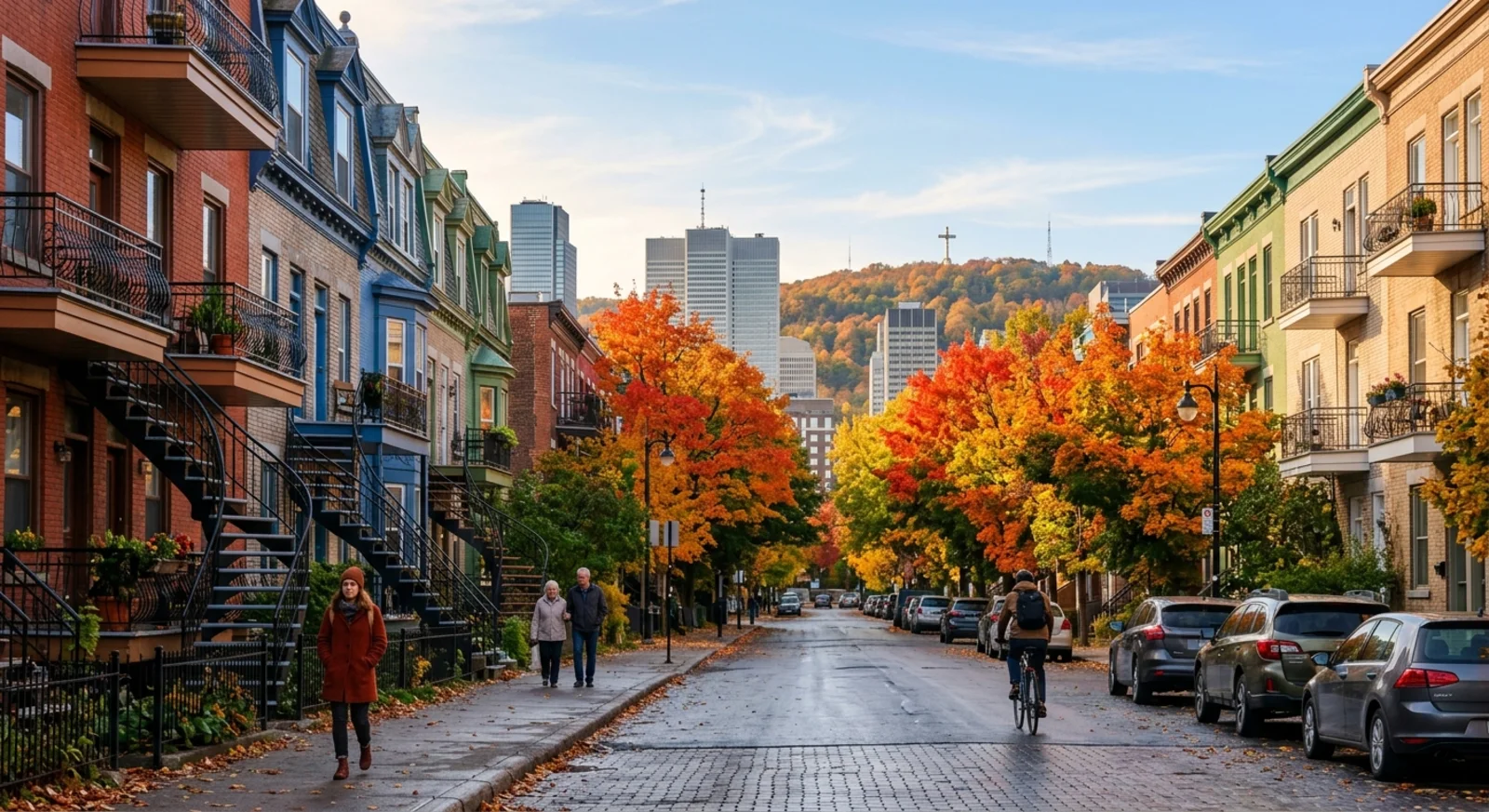
Colourful row houses with exterior spiral staircases, independent bookshops, and the city’s rival bagel shops facing off a few blocks apart. No single attraction here, just an afternoon of wandering that costs nothing beyond whatever you stop to eat. Rue Saint-Denis and Avenue du Mont-Royal are the two streets to anchor a walk around. Both are lined with vintage shops, cafés, and street art that changes every few months.
The Biodome & Botanical Garden
Part of the same Space for Life complex in the city’s east end, the Montreal Botanical Garden and the Biodome sit side by side. Neither is free: single admission runs around $25.50 each. A combined pass covers both, plus the Insectarium and Planetarium, bringing the total down to roughly $55 to $65. Genuinely better value if you’re doing more than one. Not a budget pick on its own, but worth the splurge if the weather cooperates.
Eating And Drinking Your Way Through Montreal
What To Eat
Montreal’s food identity runs on three things: smoked meat, bagels, and poutine. All three are genuinely distinct from their more famous cousins elsewhere. The smoked meat sandwich is thick-cut brisket piled into rye bread with mustard, Montreal’s answer to New York pastrami. It costs $10 to $18 depending on where you order it. Montreal bagels are smaller, denser, and sweeter than the New York kind, boiled in honey water and baked in a wood-fired oven. They run $1.50 to $2 each. Poutine, fries under cheese curds and hot gravy, is Quebec’s actual national dish. A proper plate runs $8 to $15.
Where To Get It
Schwartz’s Deli , open since 1928, is the smoked meat institution. Expect a queue and don’t let it put you off. The line moves faster than it looks, and locals will happily tell you the takeout counter beats the sit-down side for both speed and price. St-Viateur Bagel and Fairmount Bagel sit a few streets apart in Mile End and have been rivals for decades. Trying both and picking a side is practically a local tradition. Both stay open into the small hours, for anyone who wants a warm bagel straight from the wood-fired oven at 2am. For poutine, La Banquise runs 24 hours a day with more than 30 varieties on the menu. It’s a genuine Montreal institution rather than a tourist trap, busy enough on weekend nights that the wait itself has become part of the experience.
Terrasses & Dépanneurs
Summer in Montreal means terrasse season, sidewalk patios attached to almost every bar and café. Many have no cover charge and happy hour pricing well into the evening. Year-round, the city’s dépanneurs, corner stores that also sell beer and wine, are the cheapest way to build a picnic for the park or a quiet night in.
A Few Things Worth Knowing
Montreal runs bilingual, but French comes first. A simple “bonjour” opens most doors more easily than launching straight into English, even if the conversation switches over a sentence later.
Prices don’t include tax, and tax gets added when you pay. A coffee marked $4 actually costs closer to $4.60 once the two sales taxes are added. Leave a little extra room in your budget for this everywhere you shop.
Tipping runs 15 to 20 percent at restaurants and bars, calculated on the pre-tax total. It’s expected rather than optional.
Winter gear isn’t optional either if you’re visiting December through February. A proper coat, boots, and gloves matter more here than almost anywhere else on this list of cities. Layering for the RÉSO tunnels versus the street outside makes a real difference.
Best Time To Visit
June through September brings the best weather and the busiest festival calendar. That includes the Just for Laughs comedy festival and the Montreal International Jazz Festival , one of the largest jazz festivals in the world. Warm, lively, and the most expensive season for accommodation.
Late September to mid-October brings genuinely spectacular autumn colour with noticeably thinner crowds than summer.
December through February is proper Canadian winter, often well below freezing, and exactly when RÉSO earns its keep. Late February brings Montréal en Lumière , the city’s biggest winter festival, with free outdoor light installations, live music, and a Nuit Blanche night of free museum and gallery access into the small hours. Hotel prices ease off considerably outside the holiday period.
What Montreal Actually Costs
At today’s rate, 1 CAD ≈ 0.62 EUR.
| Item | Price |
|---|---|
| Coffee | $3 to $5 (€1.85–3.10) |
| Beer (local, at a bar) | $6 to $9 (€3.70–5.60) |
| Casual lunch | $12 to $20 (€7.45–12.40) |
| Sit-down dinner | $20 to $35 (€12.40–21.70) |
| Hostel dorm bed | $35 to $50/night (€21.70–31) |
| Budget hotel room | $90 to $150/night (€55.80–93) |
| Daily budget total, spent reasonably | $85 to $115, roughly €53–71 |
Copy the code to embed this table on your site.
Things you can enjoy for free: Old Montreal’s streets, Mount Royal Park, the Tam-Tams, Jean-Talon Market’s browsing, and walking the RÉSO tunnels themselves.
A City That Built Its Way Around Winter
Montreal doesn’t hide its climate, it built an entire second city to work around it. That same practical streak shows up everywhere else. Free tunnels, cheap transit passes, and a food scene built more around genuine local habit than tourist spectacle.
The best version of this city doesn’t require much planning or much money. Walk Old Montreal in the morning. Duck underground when it rains. End the day arguing about which bagel shop actually does it better. Most visitors pick a side within a day and defend it for the rest of the trip.
Ready to see it for yourself? Search flights to Montreal on Kiwi.com and find out why the locals barely notice the winter anymore.